



Conquest of Istanbul Projection Mapping Project
Large-Scale Integrated Construction, Software, and Immersive Technology
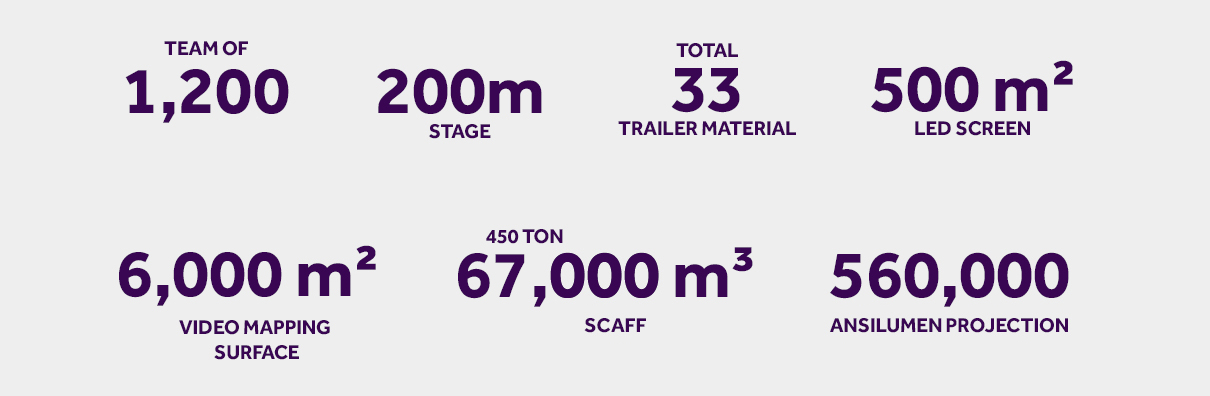
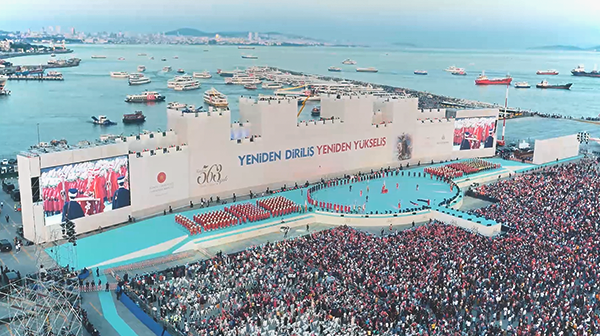
Conquest of Istanbul was a landmark large scale projection mapping project that combined physical construction, software engineering, and technical innovation into a single integrated delivery. The project operated at city scale and is recognised as one of the largest projection mapping installations ever produced.
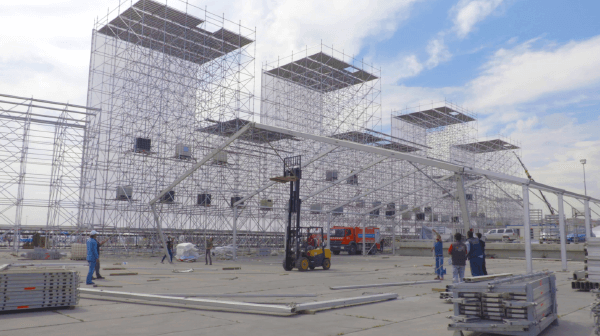
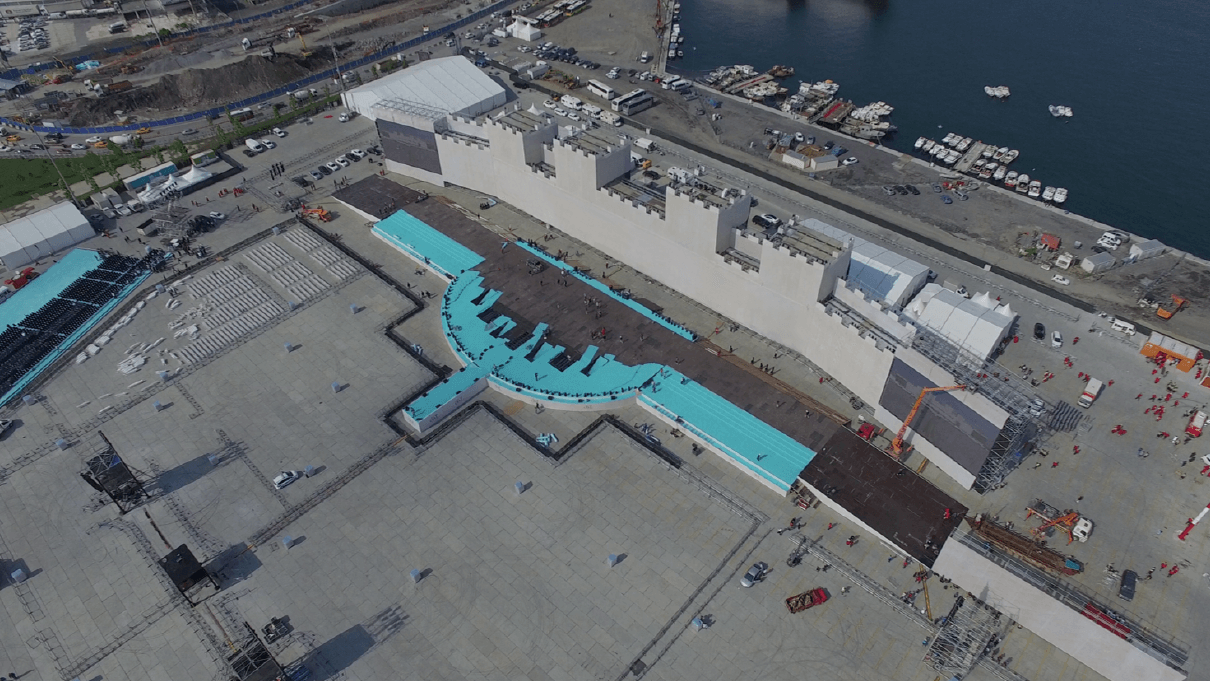
In addition to delivering complex real time visual systems, the project required the design and construction of extensive physical infrastructure, including custom built structures, mounting systems, and on site installations engineered to support high power projection equipment in a live public environment. This physical build phase was tightly coordinated with the digital pipeline to ensure precision alignment between architectural surfaces and projected content.
On the technology side, the project involved the development and deployment of bespoke software workflows, automation tools, and real time rendering systems to manage content, calibration, synchronization, and playback across a large number of devices. These systems were designed to operate reliably under strict time constraints and public event conditions.
Dana Tech led the technical direction of the project, coordinating and aligning a multidisciplinary workforce of over 1,200 people across engineering, software, construction, creative production, and on site operations. The work required rapid problem solving, large scale system integration, and continuous technical innovation across both hardware and software domains, delivered within a highly compressed schedule.
The project stands as an example of end to end technical leadership at extreme scale, bridging physical construction with advanced digital systems to deliver a large scale immersive experience for a high profile public audience.
3D Digital Engineering Visualization Platform
Enterprise Spatial Intelligence for Transport for NSW
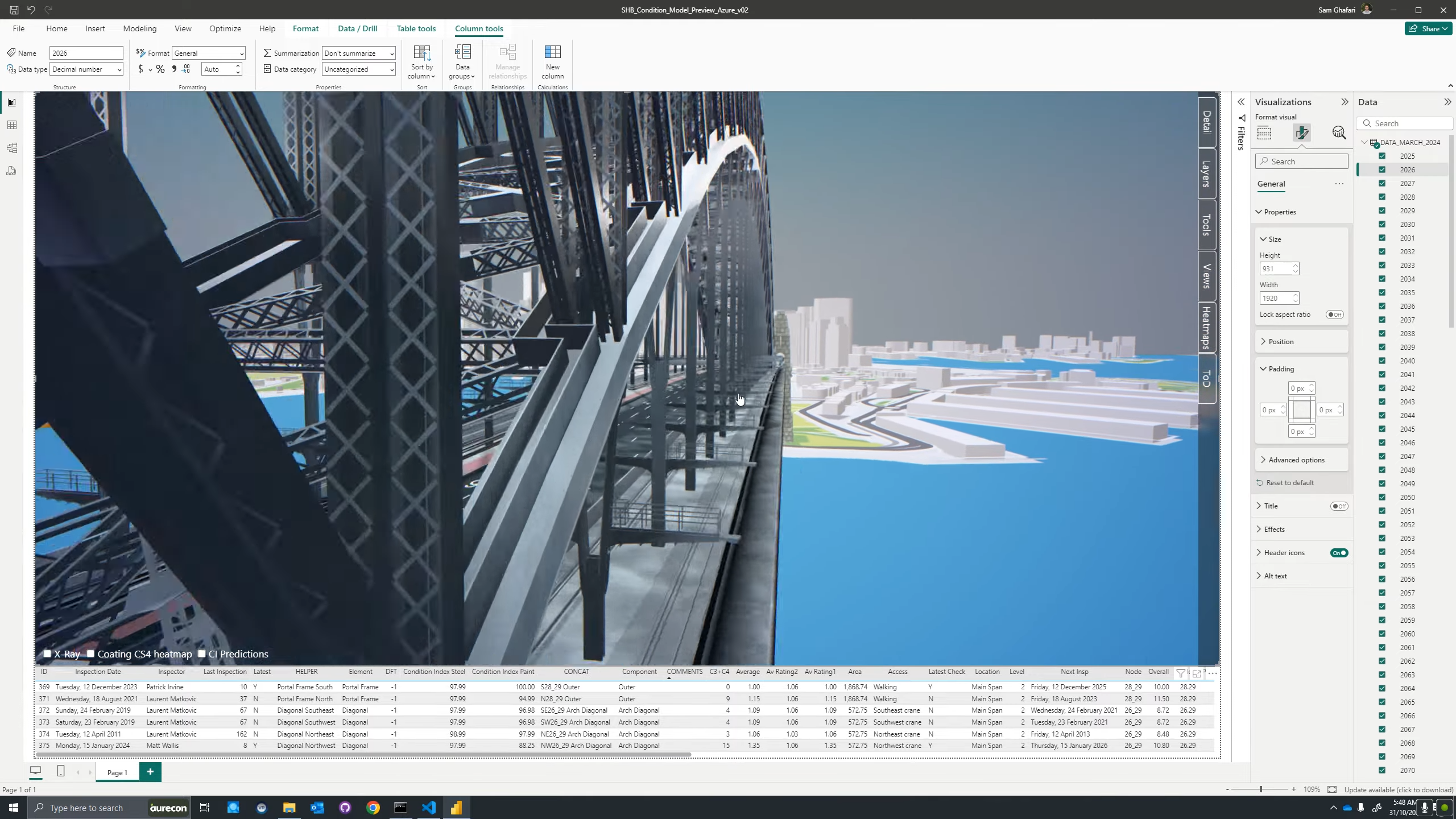
Dana Tech delivered an innovative digital engineering solution for Transport for NSW that introduced a new way to visualise, evaluate, and share complex engineering and GIS data across government and industry.
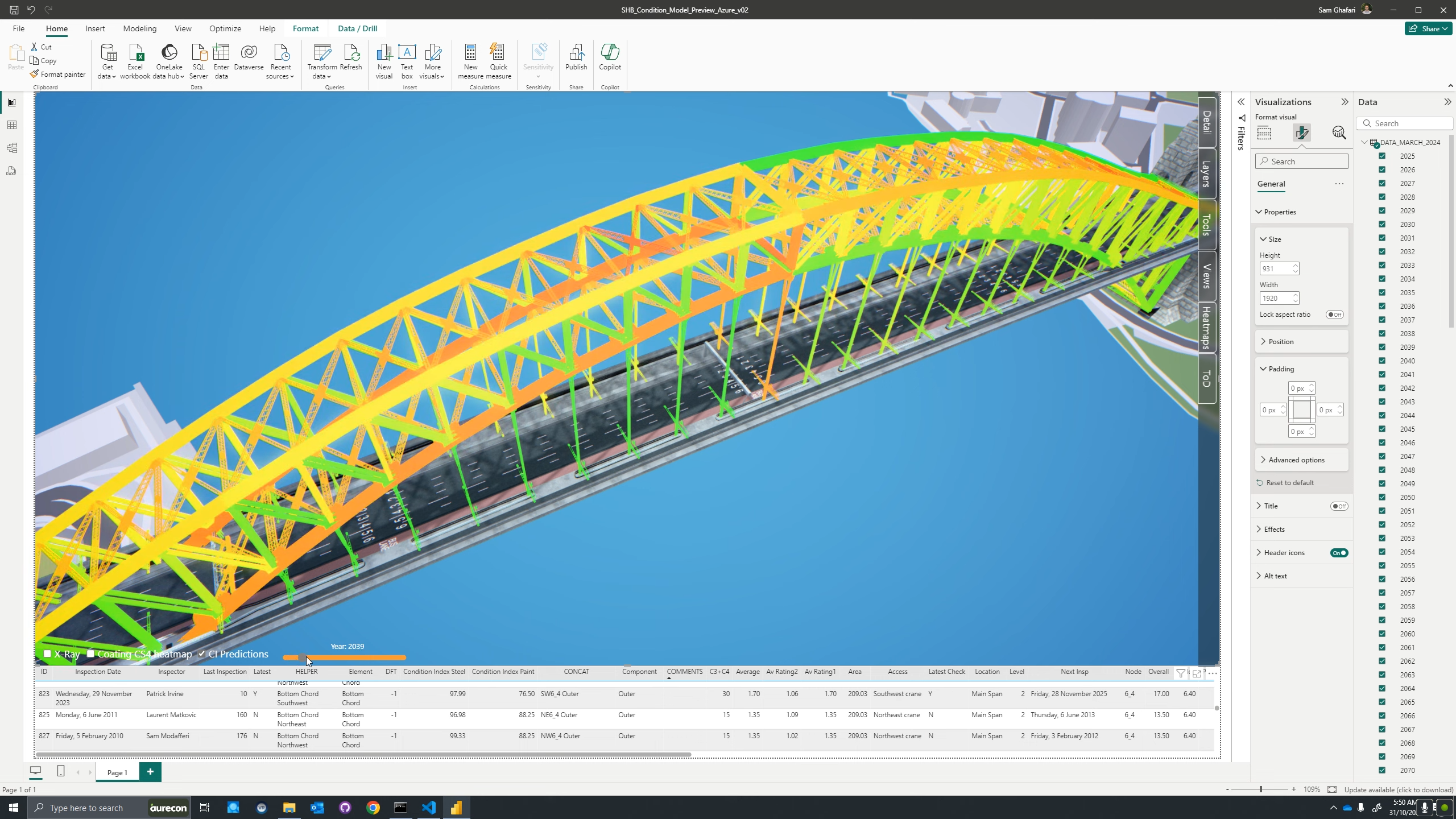
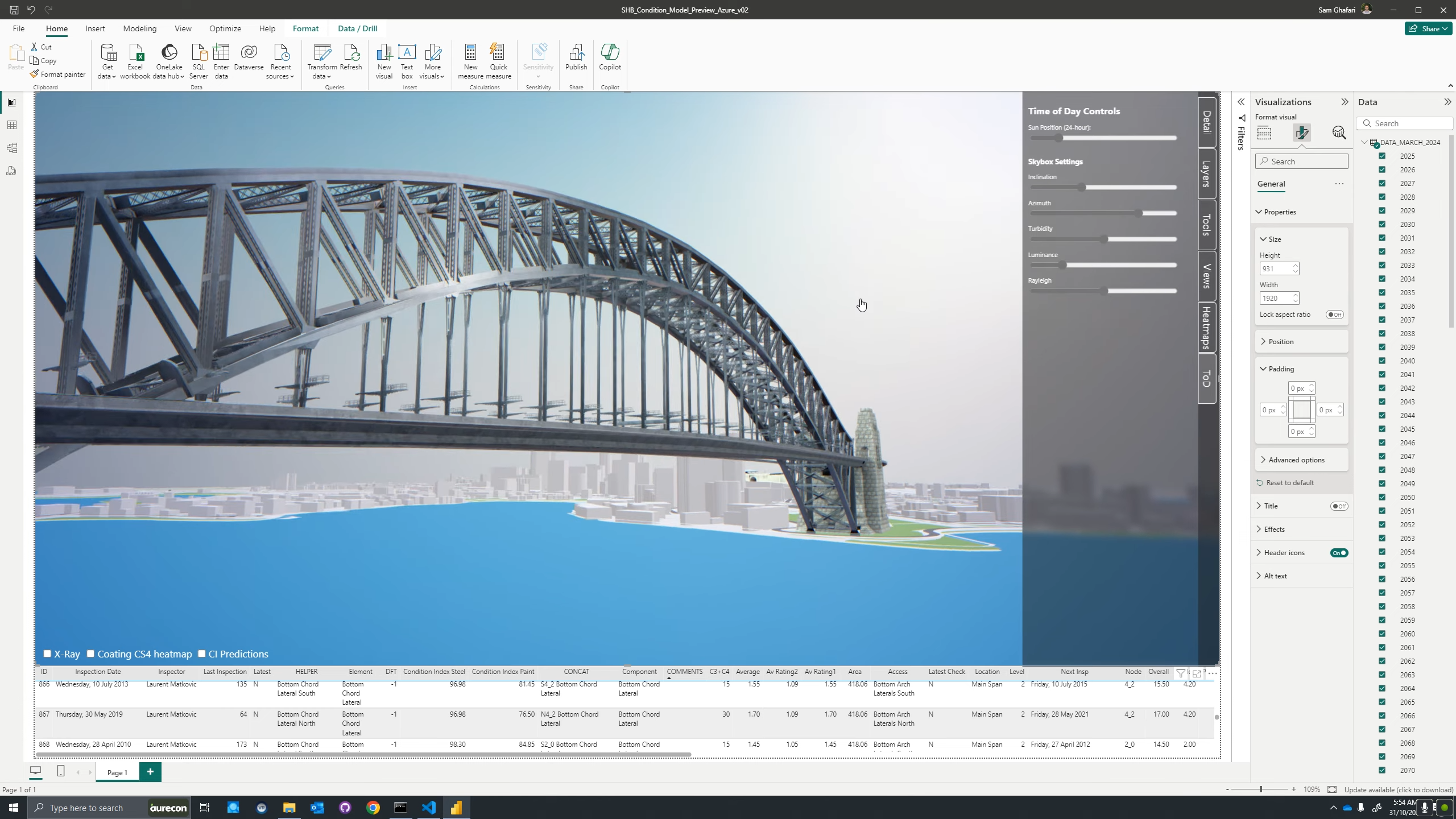
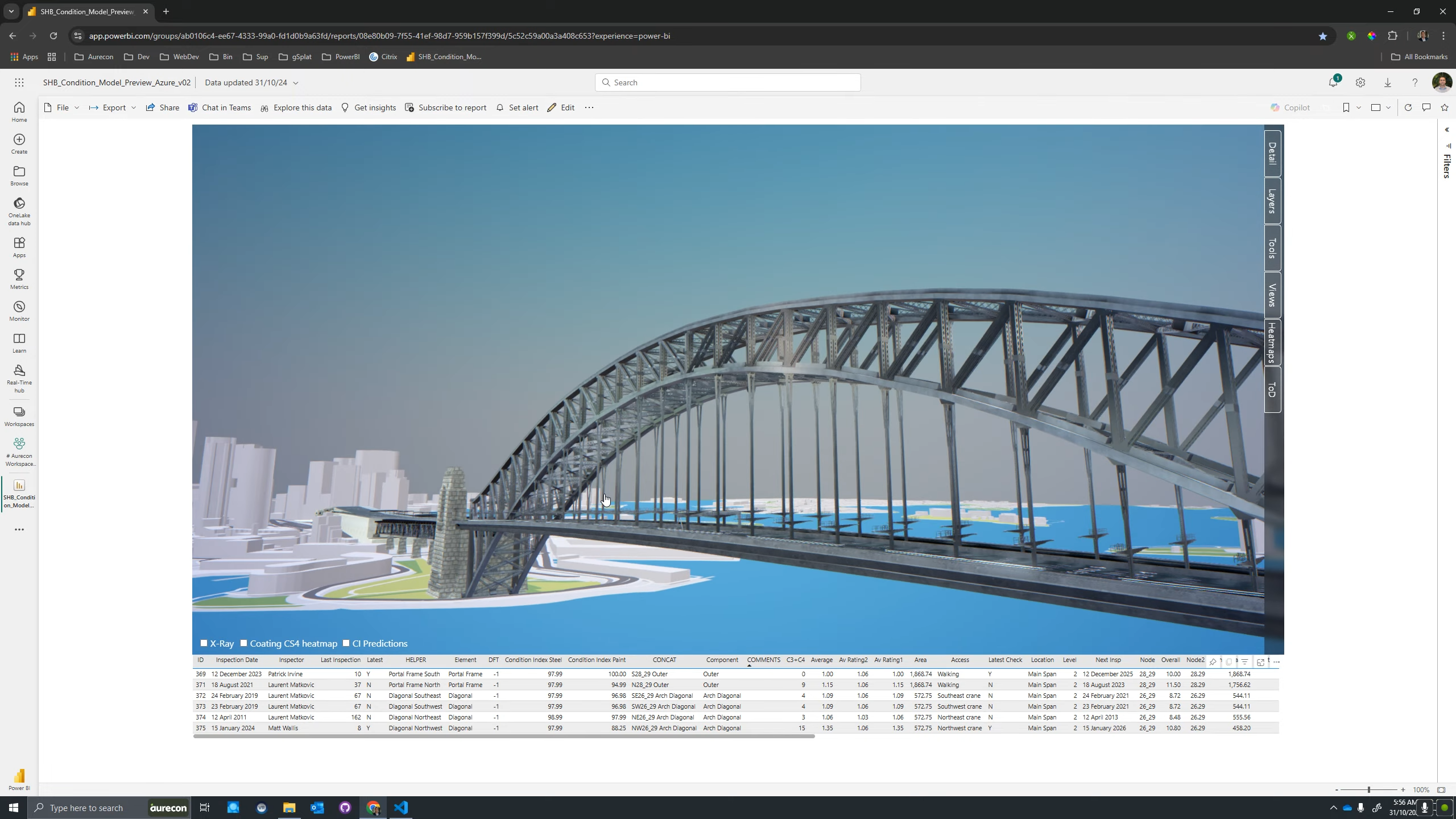
The project established a web based three dimensional visualization capability that allowed engineers, planners, and decision makers to interact with large scale infrastructure data in a centralized environment. This approach enabled spatial engineering information to be explored alongside planning data, cost estimation inputs, and operational metrics in a way that was not previously possible using traditional reports, drawings, or siloed engineering tools.
Built using modern web technologies and integrated into enterprise reporting environments such as Power BI, the solution enabled real time interaction with complex three dimensional engineering and GIS datasets. A cloud based architecture on Microsoft Azure supported efficient streaming, rendering, and collaboration at scale, allowing the system to remain performant and accessible across large organisations.
The platform enabled government and industry engineers to collaboratively evaluate assets, support planning and cost estimation, and share knowledge through a single, trusted digital environment. By centralising data and visual context, the solution improved asset management workflows, reduced fragmentation across teams, and strengthened decision making at both technical and executive levels.
This project demonstrates our company’s capability to deliver advanced digital engineering solutions that bridge web technology, cloud infrastructure, and complex engineering data to support large scale government asset management and planning.
Turbine Design
Engineering Clarity Through Digital Simulation by Dana Tech
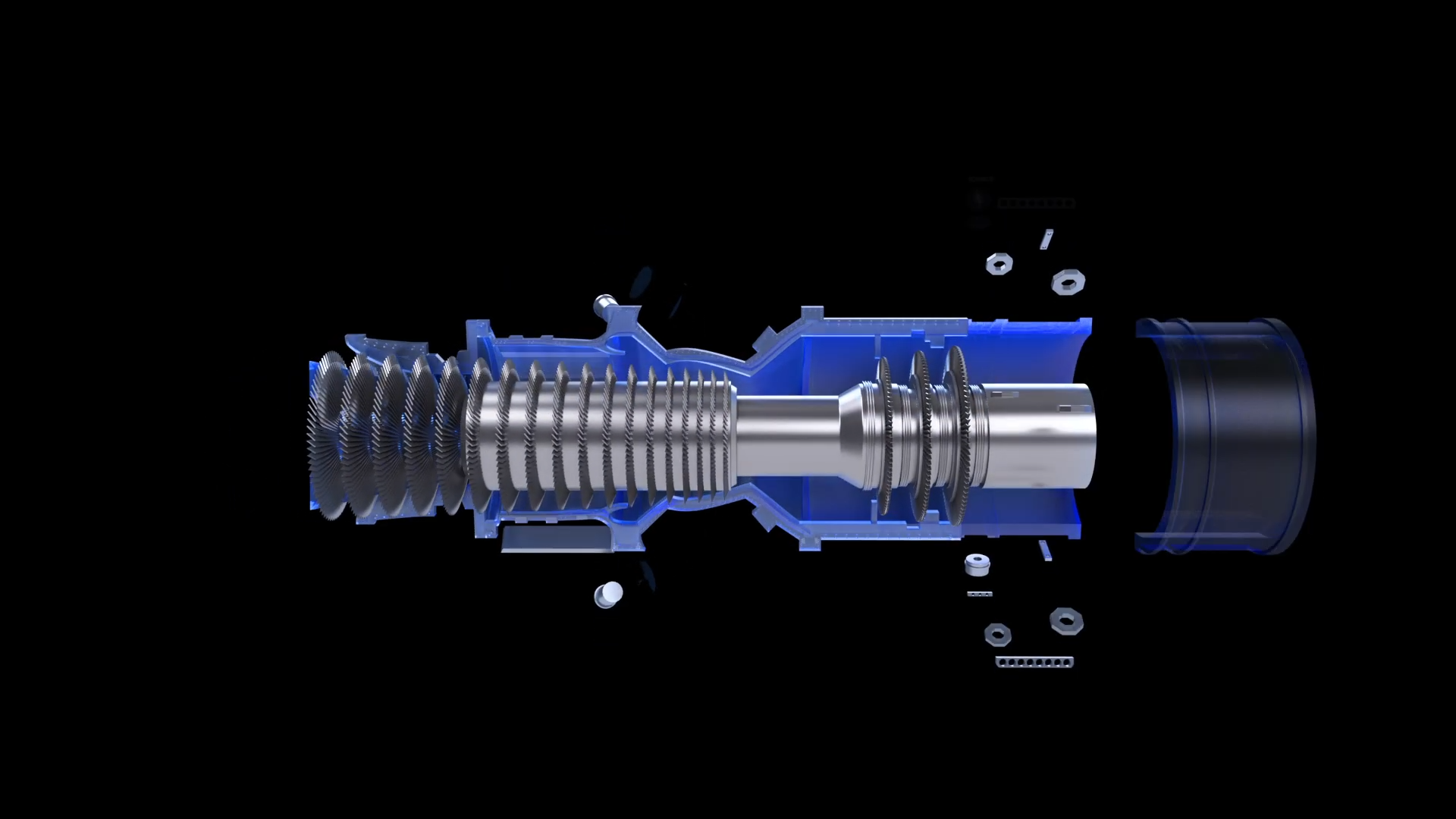
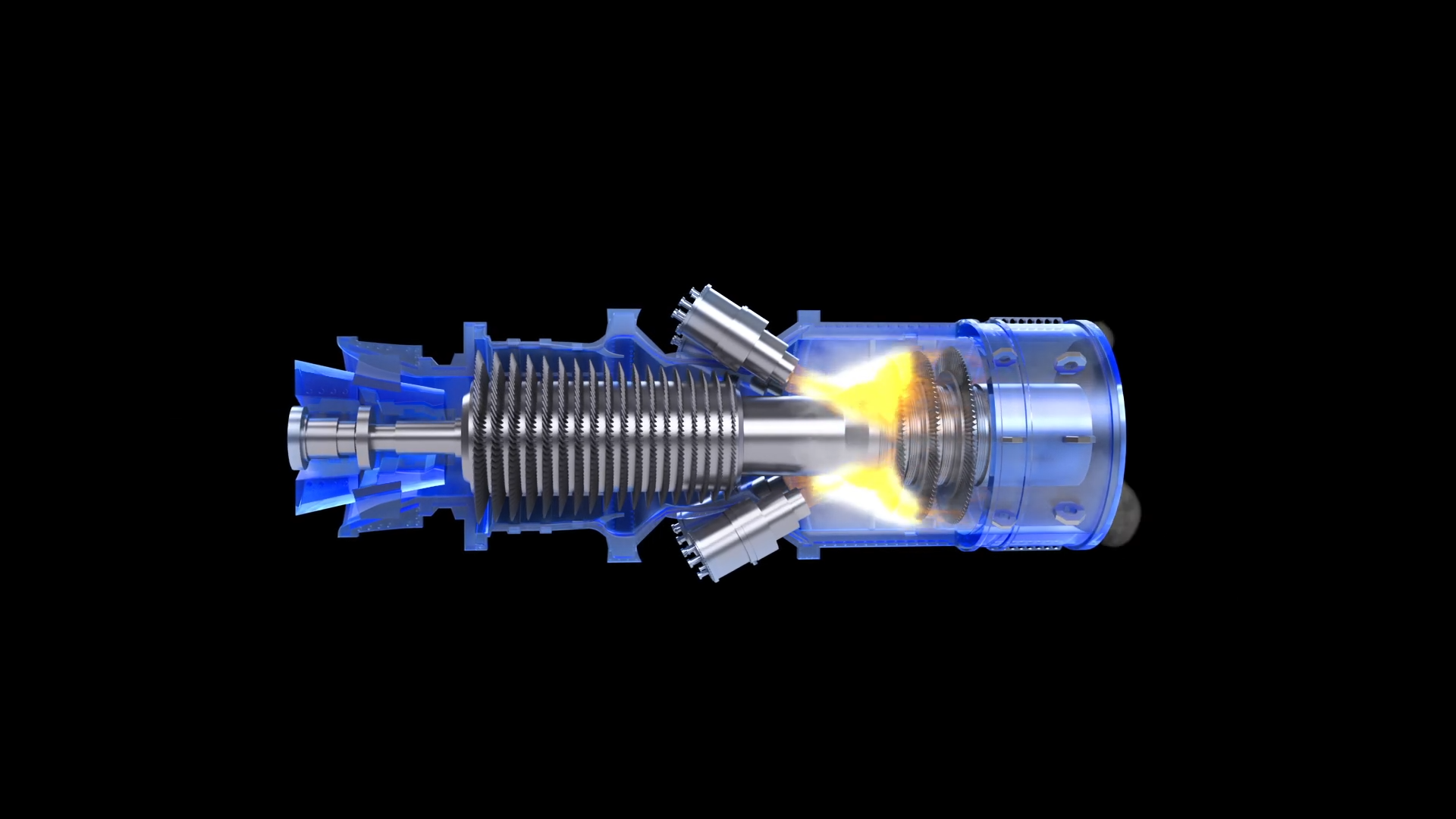
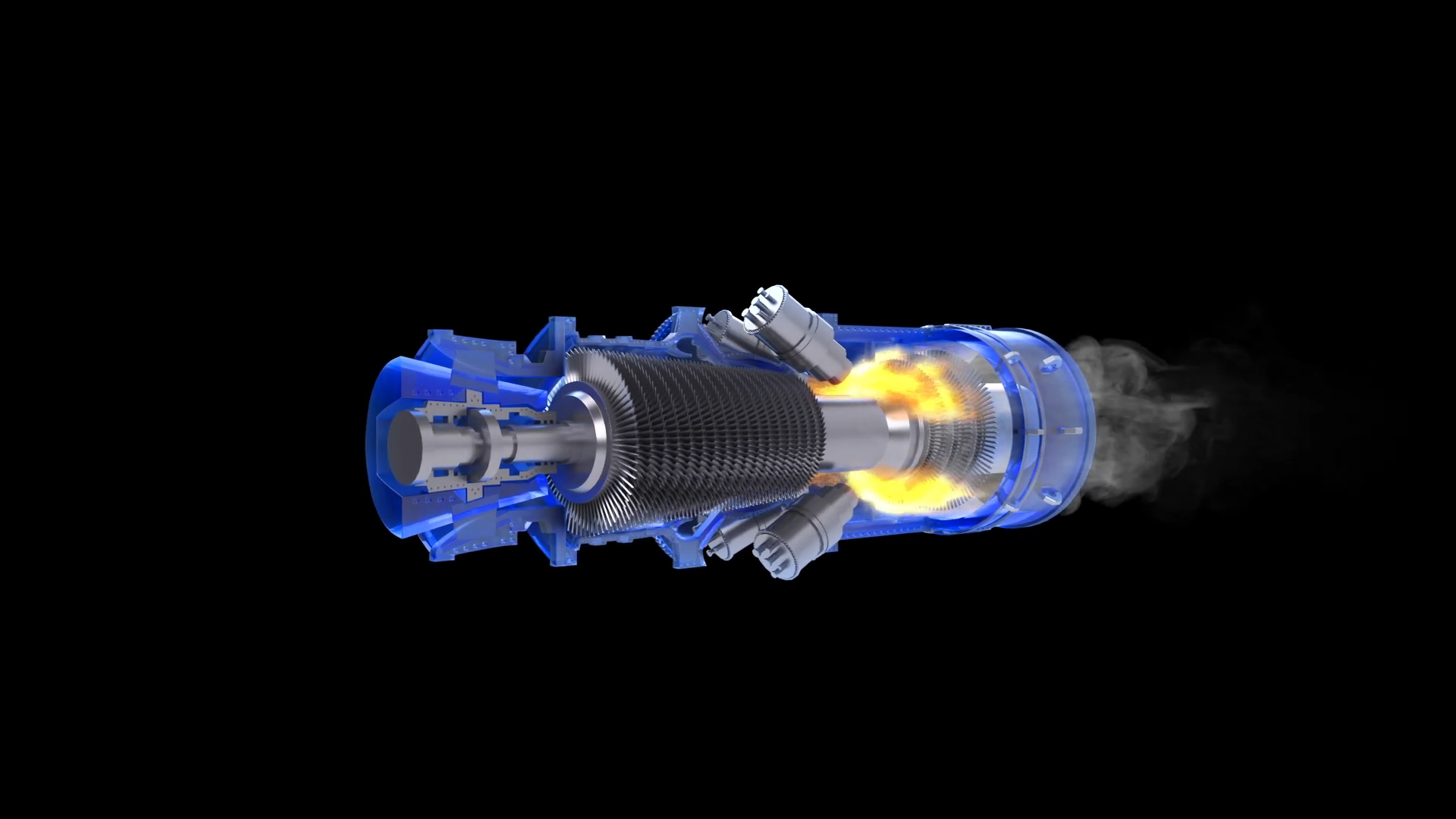
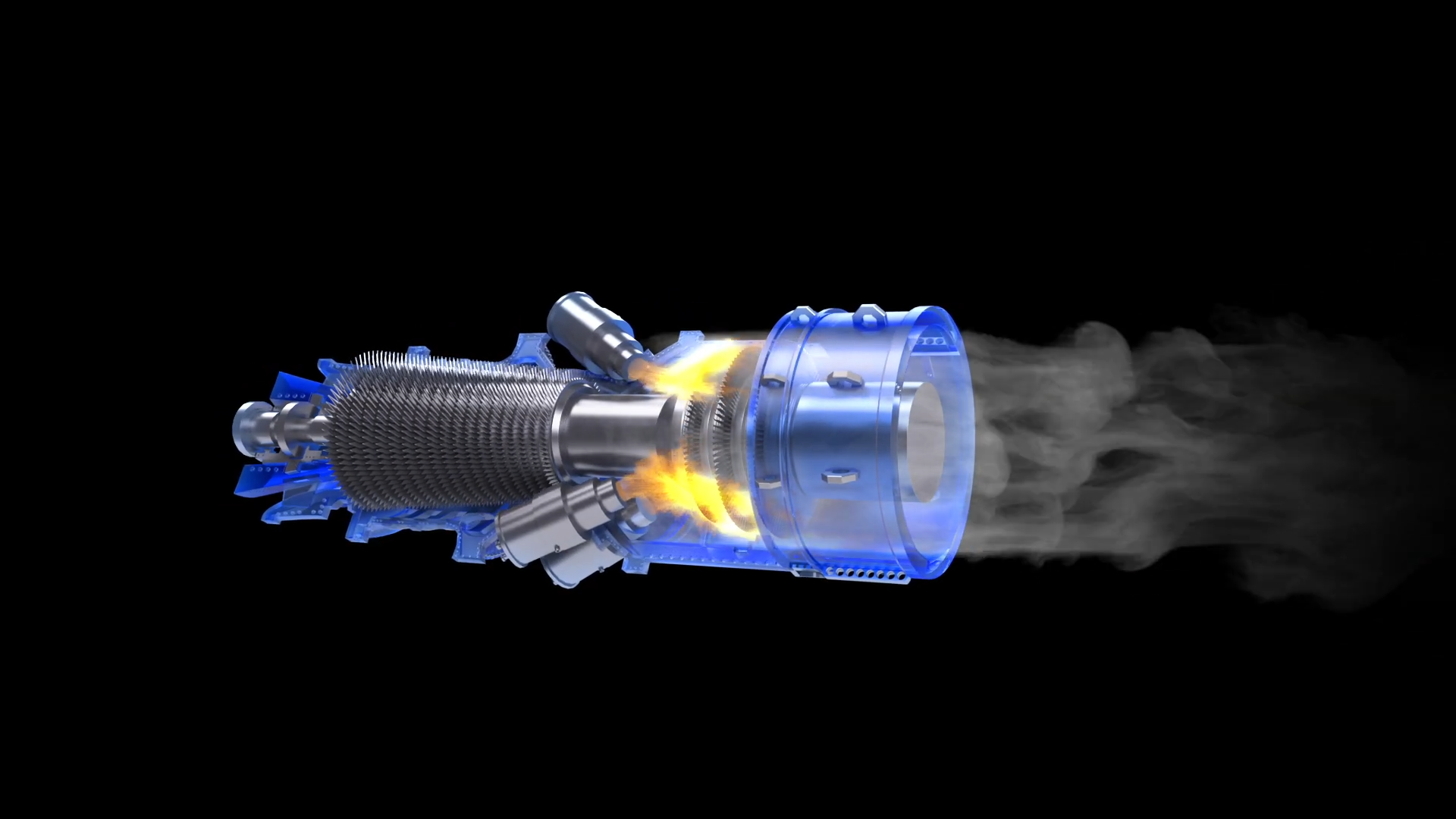
This project was delivered by Dana Tech as part of a broader engineering success story, providing a high-fidelity digital turbine simulation that supported design, assembly, and operational understanding across engineering teams and stakeholders.
Dana Tech worked closely with engineers to translate complex turbine design data, technical schematics, and operational requirements into an accurate digital simulation that reflected real-world components, tolerances, and mechanical relationships. The result was a clear and trusted digital representation of the turbine lifecycle, from early design intent through to operational behaviour.
A critical component of the work was modelling the turbine assembly process. This enabled teams to clearly understand sequencing, precision requirements, and component interaction, supporting engineering review, coordination between disciplines, and early identification of potential integration issues.
The operational phase focused on simulating turbine behaviour under real conditions. Rotational dynamics, airflow behaviour, and internal energy transfer were represented with engineering accuracy, allowing teams to better evaluate system performance and communicate complex concepts across both technical and non-technical audiences.
Accuracy and reliability were central to the project. Dana Tech ensured all simulations adhered to real physical principles through close collaboration with engineers, avoiding abstraction or approximation that could undermine trust in the output. Materials, motion, and system behaviour were developed to reflect true operating conditions, making the simulations suitable for engineering reference, internal communication, and training.
The final simulations became a valuable asset across the project lifecycle. They supported engineering reviews, knowledge sharing, training, and stakeholder alignment, improving clarity and confidence in decision making.
This project demonstrates Dana Tech’s capability to deliver advanced digital simulation solutions that strengthen engineering outcomes, reduce complexity, and support better decisions across complex industrial systems.
Digital Twin Platform for the Caloundra Transport Corridor Upgrade
Real Time Engineering, Planning, and Community Engagement by Dana Tech
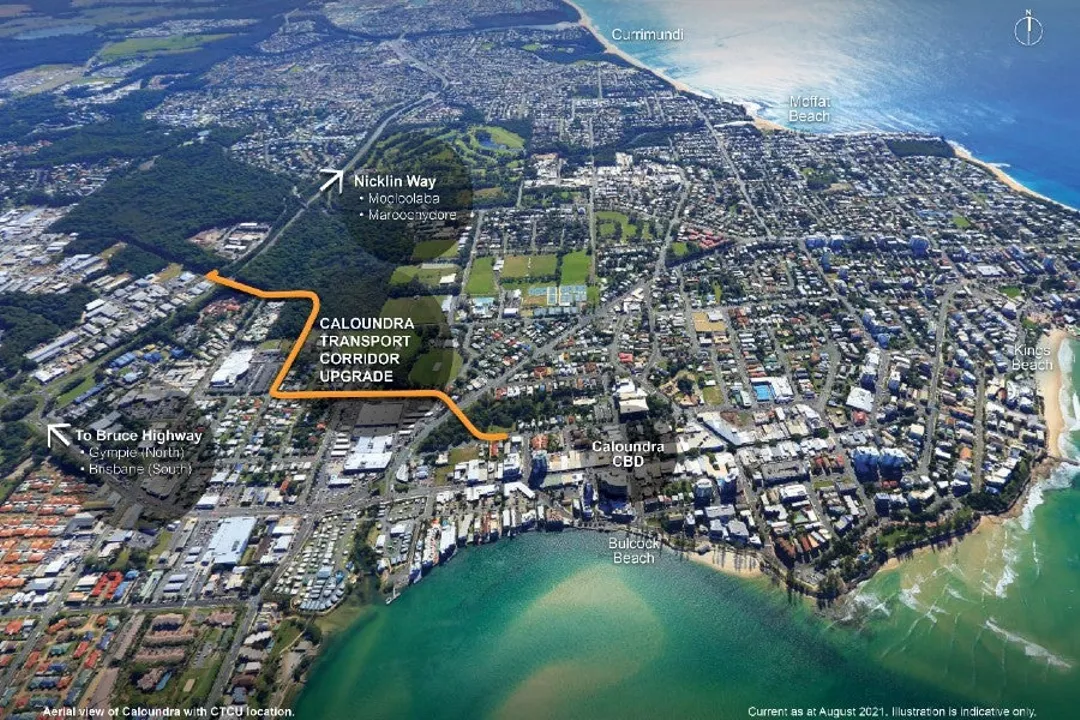
Dana Tech delivered a real time digital twin platform for the Caloundra Transport Corridor Upgrade, enabling a new way for engineers, planners, government stakeholders, and the public to evaluate and engage with a major transport infrastructure project.
The project focused on improving how complex engineering designs, spatial constraints, and future transport outcomes could be understood, tested, and communicated across all stakeholder groups. The 1.6 kilometre corridor upgrade required careful coordination across road networks, pedestrian and cycling infrastructure, public transport, and surrounding urban environments. Dana Tech’s solution provided a unified digital environment where these elements could be assessed together rather than in isolation.
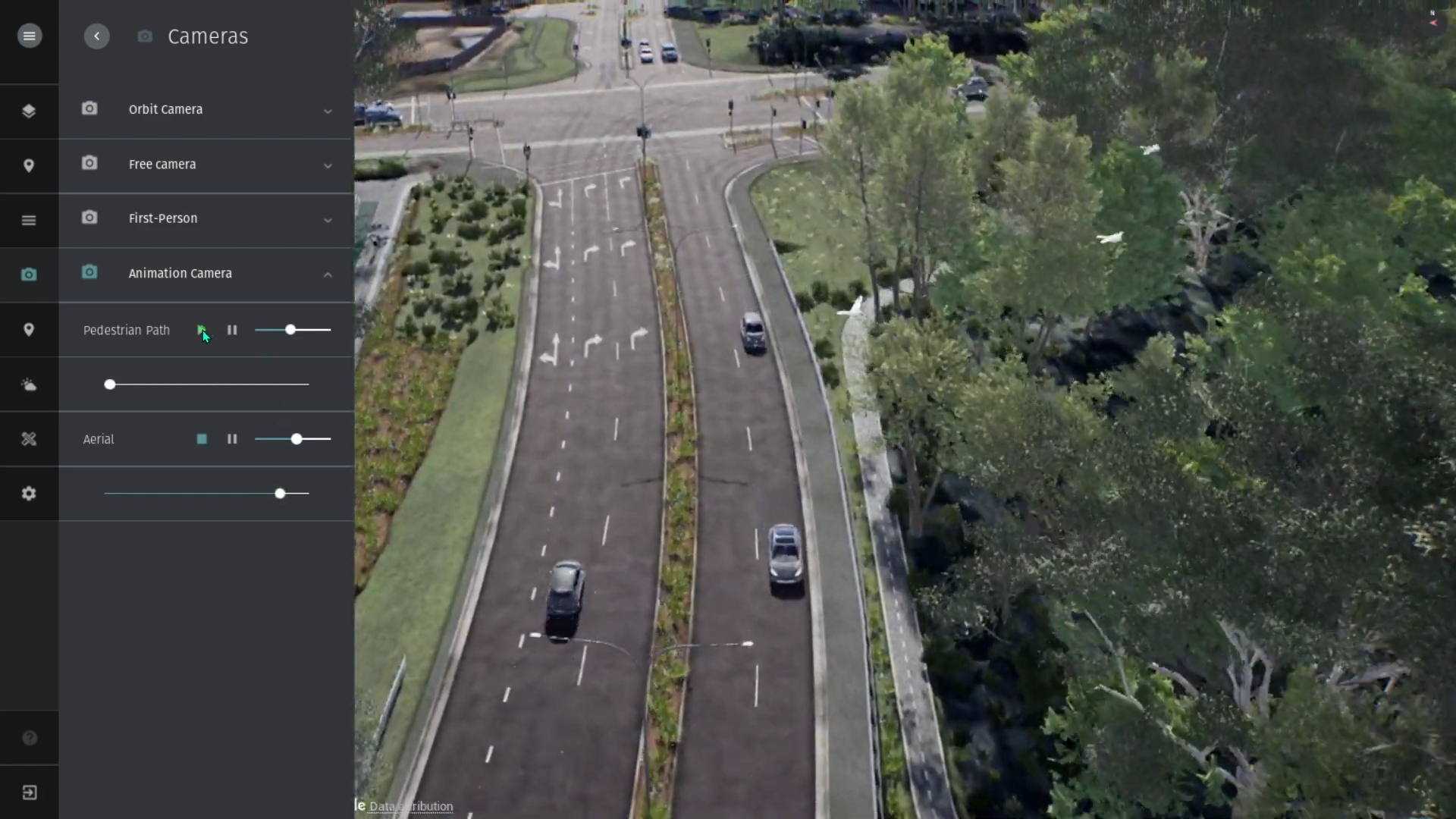
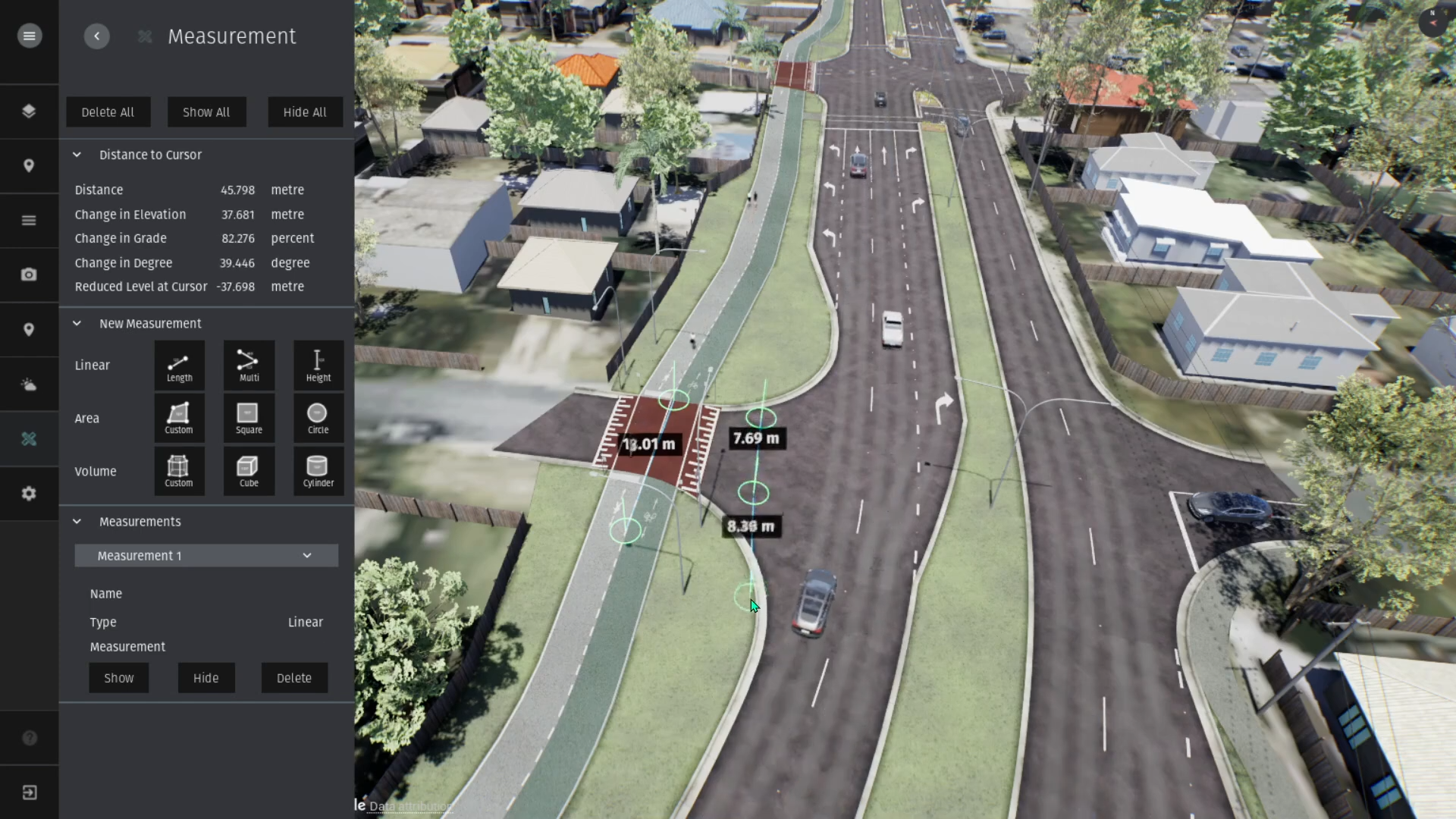
The platform was built using Unreal Engine and delivered as a live, interactive digital twin of the proposed corridor. Engineers were able to review design intent, explore alternatives, and assess impacts in real time, significantly improving collaboration and reducing ambiguity during planning and review stages.
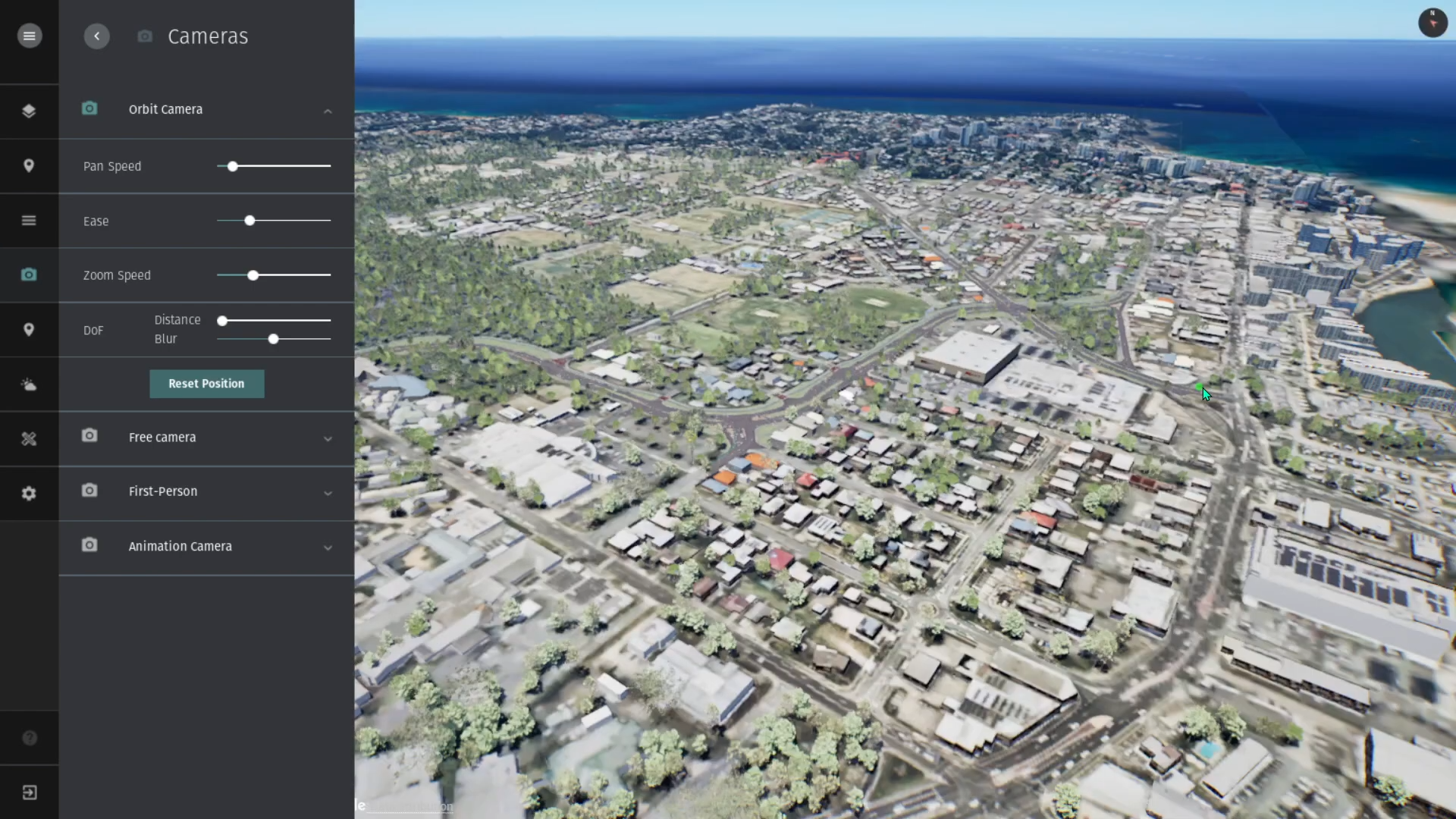
To ensure contextual accuracy, the digital twin was augmented with high quality geospatial data. Large scale geographic context was integrated using Cesium and the Google Maps API, while local areas surrounding the corridor were enriched with high resolution aerial imagery from Nearmap. This combination allowed stakeholders to understand how the proposed infrastructure would sit within both the immediate environment and the broader urban network.
The solution functioned as a shared decision making platform rather than a static representation. Engineering data, GIS inputs, and design changes could be reviewed together in a single environment, allowing teams to identify issues earlier, align across disciplines, and refine outcomes with greater confidence.
Community engagement was also a key success factor. The platform supported immersive walkthroughs and virtual reality experiences that allowed members of the public to experience the proposed corridor firsthand. This helped demystify complex infrastructure changes, improved transparency, and enabled more informed feedback during consultation phases.
The outcome was a measurable improvement in collaboration, planning confidence, and stakeholder alignment. Real time iteration reduced review cycles, improved communication between technical and non technical audiences, and supported more informed decision making across the project lifecycle.
This project demonstrates Dana Tech’s ability to deliver advanced digital twin solutions that bridge engineering data, geospatial context, and real time technology to support large scale infrastructure planning, evaluation, and public engagement.
Rail Training & Simulation Platform
Signal Sighting and Train Operations Education by Dana Tech
Dana Tech delivered an advanced rail training and simulation platform designed to transform how engineers, operators, and project teams learn, test, and understand complex rail systems. The project focused on making technical rail education more engaging, interactive, and effective, while supporting real-world engineering standards across multi-state rail projects.
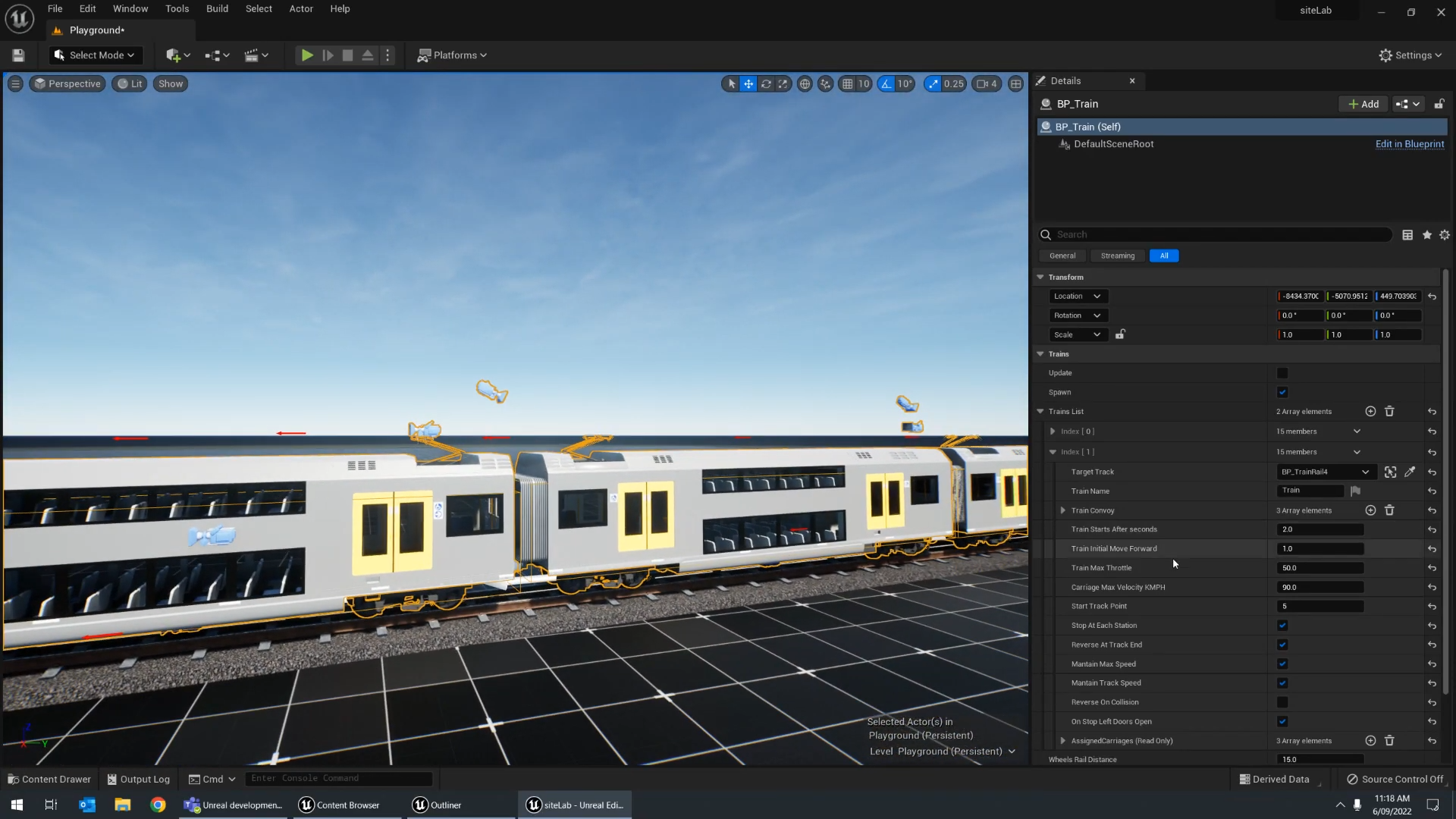
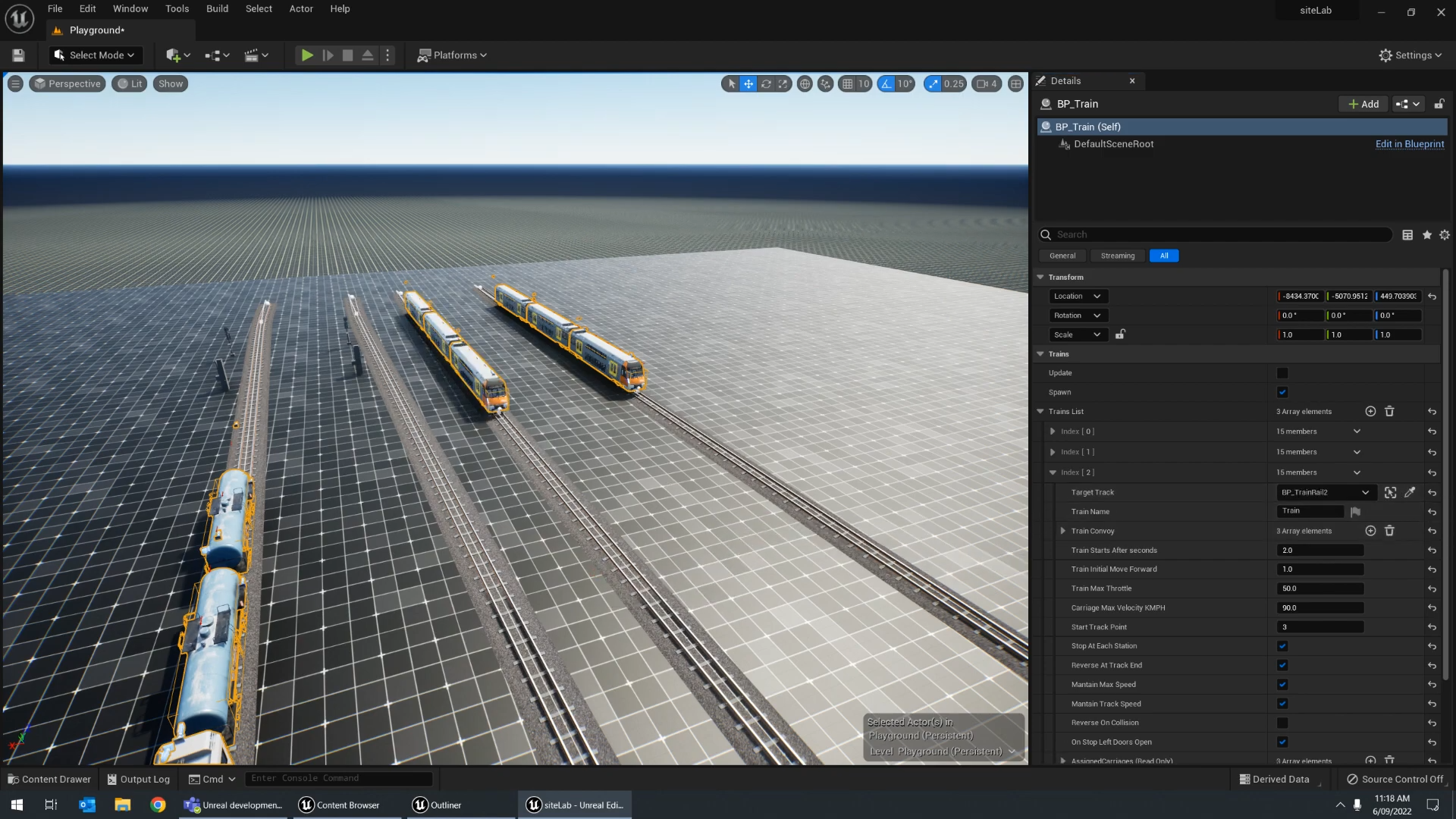
At the core of the solution was a dynamic train simulation environment that allowed users to experience and control the full lifecycle of train operations in a safe, repeatable digital setting. Trainees could assemble trains by adding or removing wagons, experiment with different configurations, and observe how changes affected behaviour. Train movement could be controlled in detail, including acceleration, braking, speed limits, gradients, and direction, enabling realistic operational scenarios to be explored without risk.
The simulation was designed to support learning through interaction rather than static documentation. Users could test “what if” scenarios, see immediate cause-and-effect outcomes, and build intuition around how trains behave under different loads, track conditions, and operational constraints. This approach made complex operational concepts easier to understand and far more engaging for both new and experienced rail professionals.
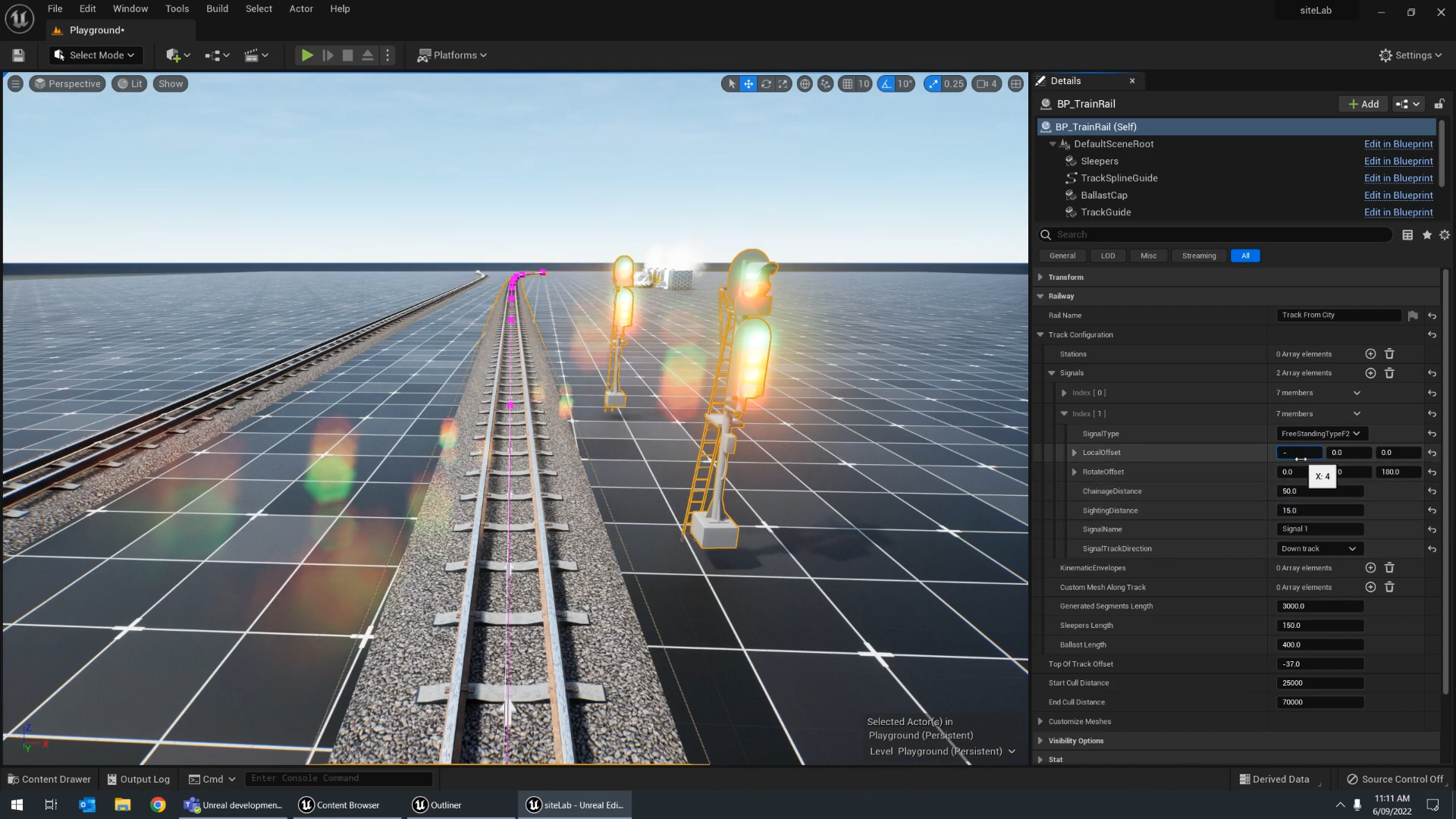
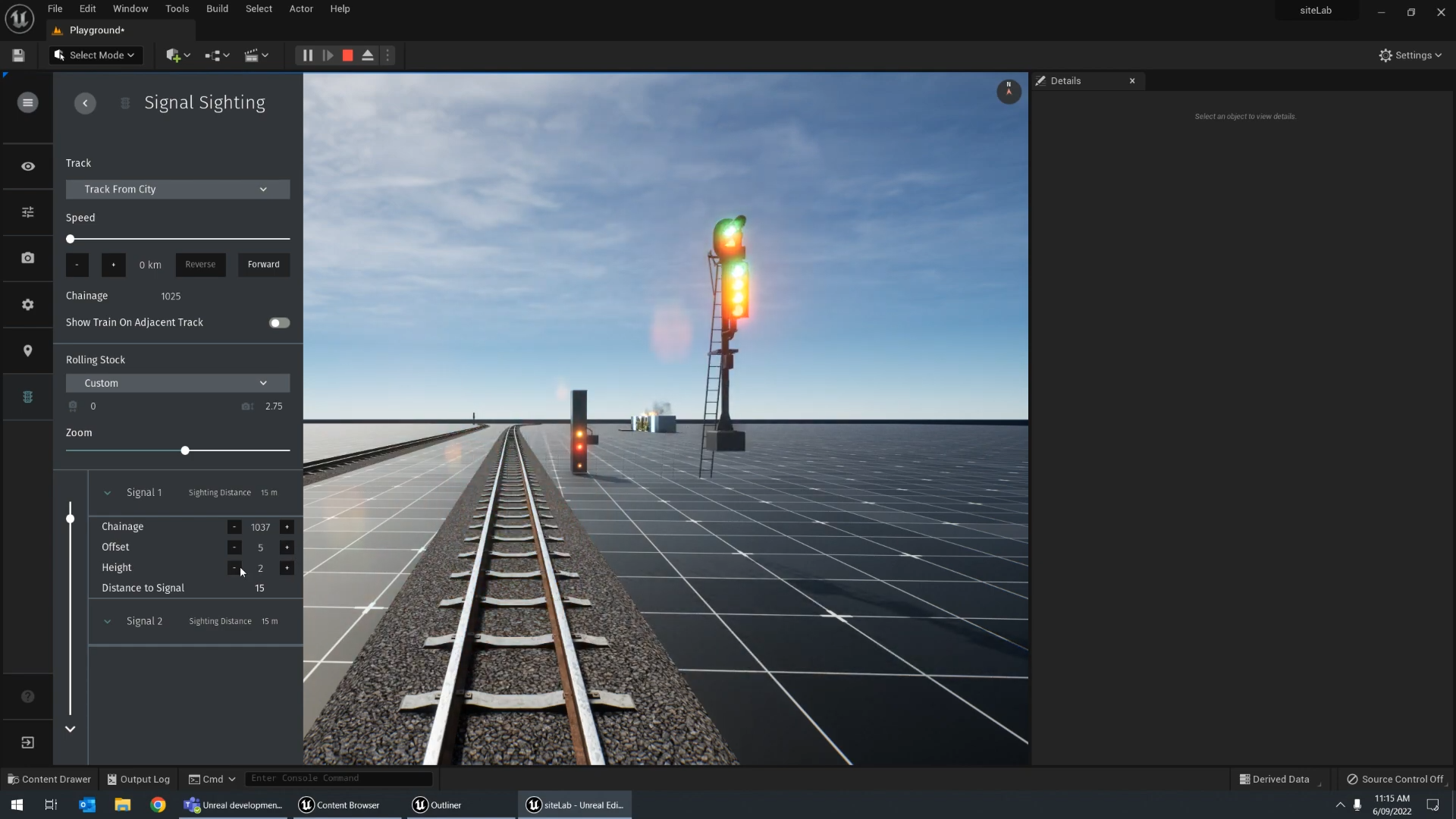
Complementing the train simulation was an interactive signal sighting training system. This system allowed users to experience signal placement from the perspective of a train driver, helping engineers and trainees understand visibility, timing, and safety considerations in a practical and intuitive way. Signal positions, types, and configurations could be adjusted interactively, allowing users to see how changes impacted sightlines, reaction time, and operational safety.
Environmental factors such as track curvature, obstructions, and surrounding context were incorporated to reflect real operating conditions. This enabled realistic training scenarios that mirrored on-site challenges, while remaining accessible in a classroom or office environment.
Together, these systems formed a comprehensive training and education platform that bridged theory and practice. Engineers and operators were able to learn faster, retain knowledge more effectively, and build confidence through hands-on simulation rather than abstract rules or diagrams.
The outcome was a more engaging and effective learning process that supported safer design decisions, better operational understanding, and stronger alignment across project teams. By combining realistic simulation with intuitive interaction, Dana Tech delivered a training solution that elevated rail education and set a new benchmark for how complex transport systems can be taught and understood.
Cross River Rail
Digital Twin and Public Experience Platform by Dana Tech
Dana Tech delivered a large scale digital twin and immersive experience platform for the Cross River Rail project, designed to support education, public engagement, and long term understanding of Brisbane’s future transport infrastructure.
The project went beyond traditional engineering representation by creating a fully interactive digital environment that captured the entire Cross River Rail corridor, including stations, surrounding precincts, and future urban development. By integrating rail engineering data, architectural design, GIS information, and city planning inputs, the platform enabled users to explore how the project would shape Brisbane over time.
The digital twin was developed as an interactive learning and engagement tool. Engineers, planners, students, and members of the public were able to navigate the rail network, explore stations, and experience the system from multiple perspectives. This interactive approach transformed complex infrastructure concepts into an accessible and engaging learning experience, making it easier for non technical audiences to understand scale, impact, and intent.
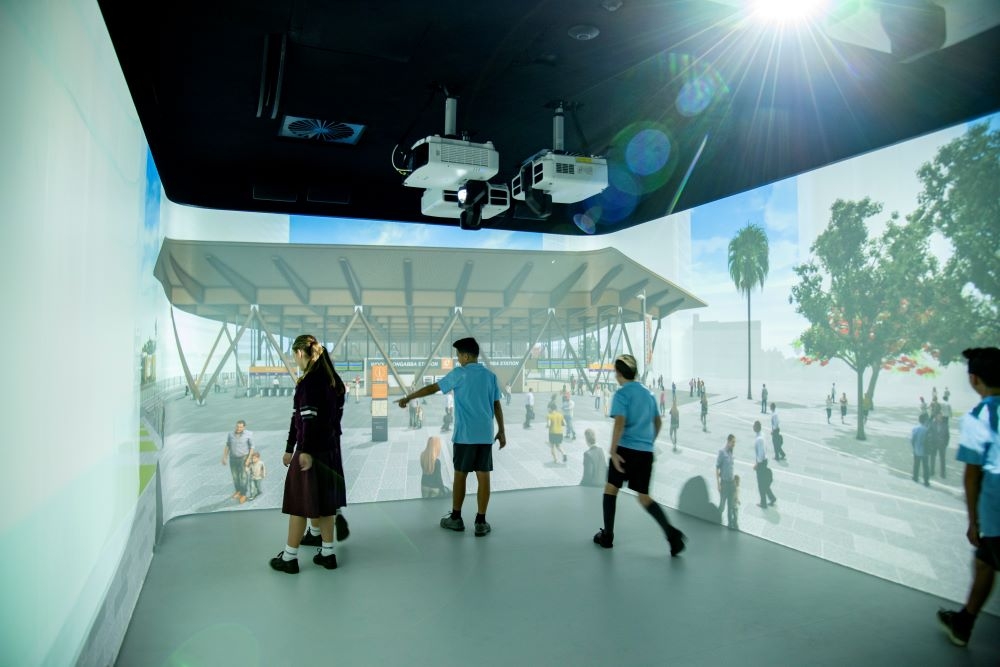
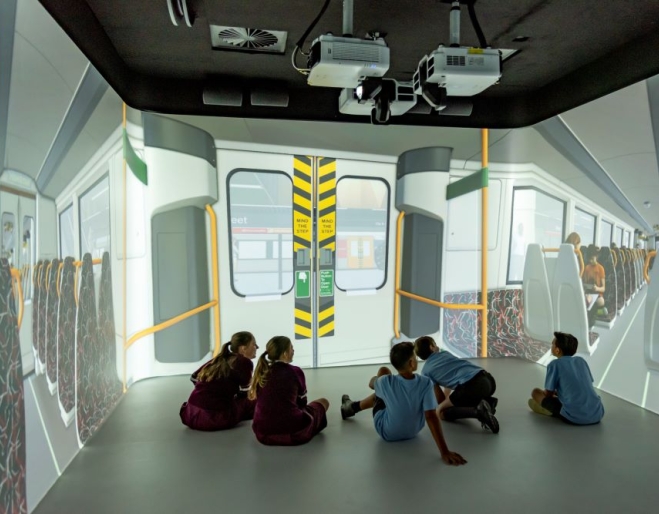
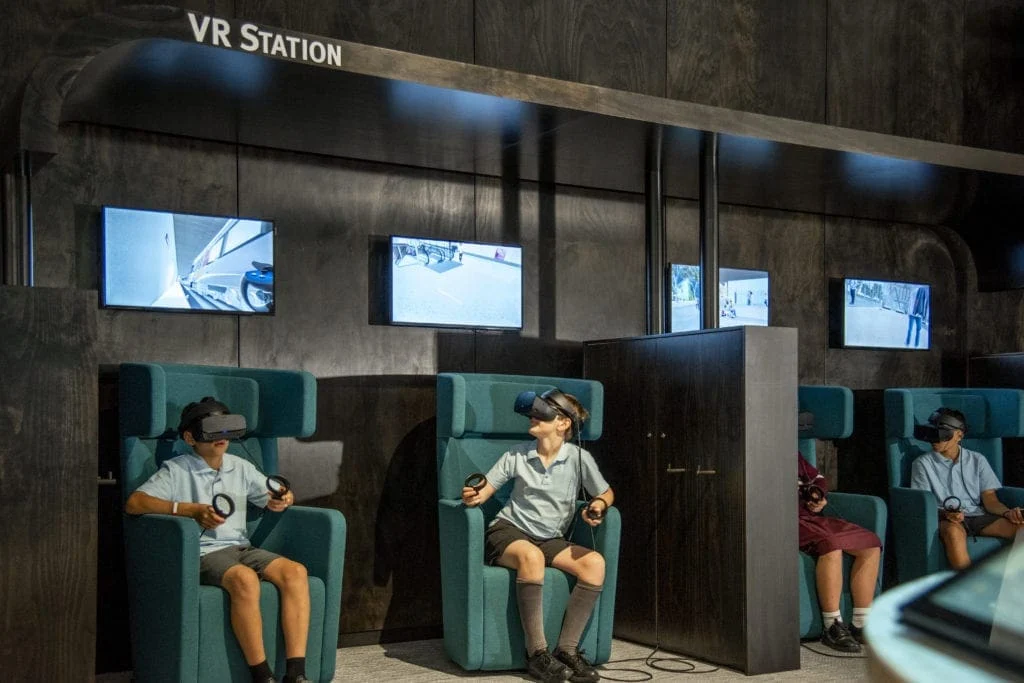
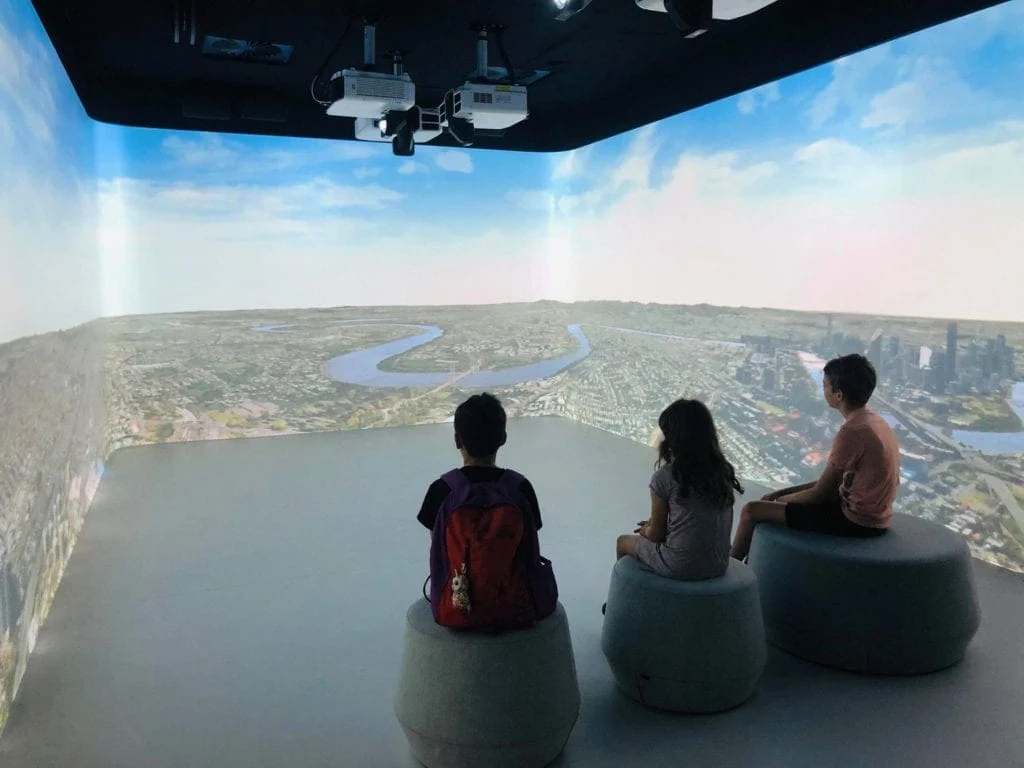
A key part of the project was the integration of the digital twin into the Cross River Rail Experience Centre in Brisbane. The experience centre was designed as a hands on educational environment where visitors could actively explore the project rather than passively observe it. Large scale immersive projection systems were used to surround visitors with the digital environment, creating a shared, intuitive learning space.
Visitors could interact with the digital twin in real time, including navigating the rail corridor, examining individual stations, and experiencing the journey from the perspective of a train. This level of interaction made learning more engaging, memorable, and inclusive, helping visitors of all ages build a clear mental model of the project and its benefits.
The experience centre also became an important educational platform for schools and universities. Students were able to engage directly with the same types of digital tools used in real infrastructure projects, gaining early exposure to engineering, urban planning, and real time technology. This hands on approach helped spark interest in STEM careers and demonstrated how digital technology is shaping modern cities.
The Cross River Rail digital twin and experience centre stand as a strong example of how technology can be used to educate, inspire, and build trust. By combining engineering data with interactive and immersive delivery, Dana Tech helped turn a complex infrastructure project into an engaging learning experience with lasting public value.
Mixed Reality Training and Collaboration Platform
XR and Microsoft HoloLens Experience by Dana Tech
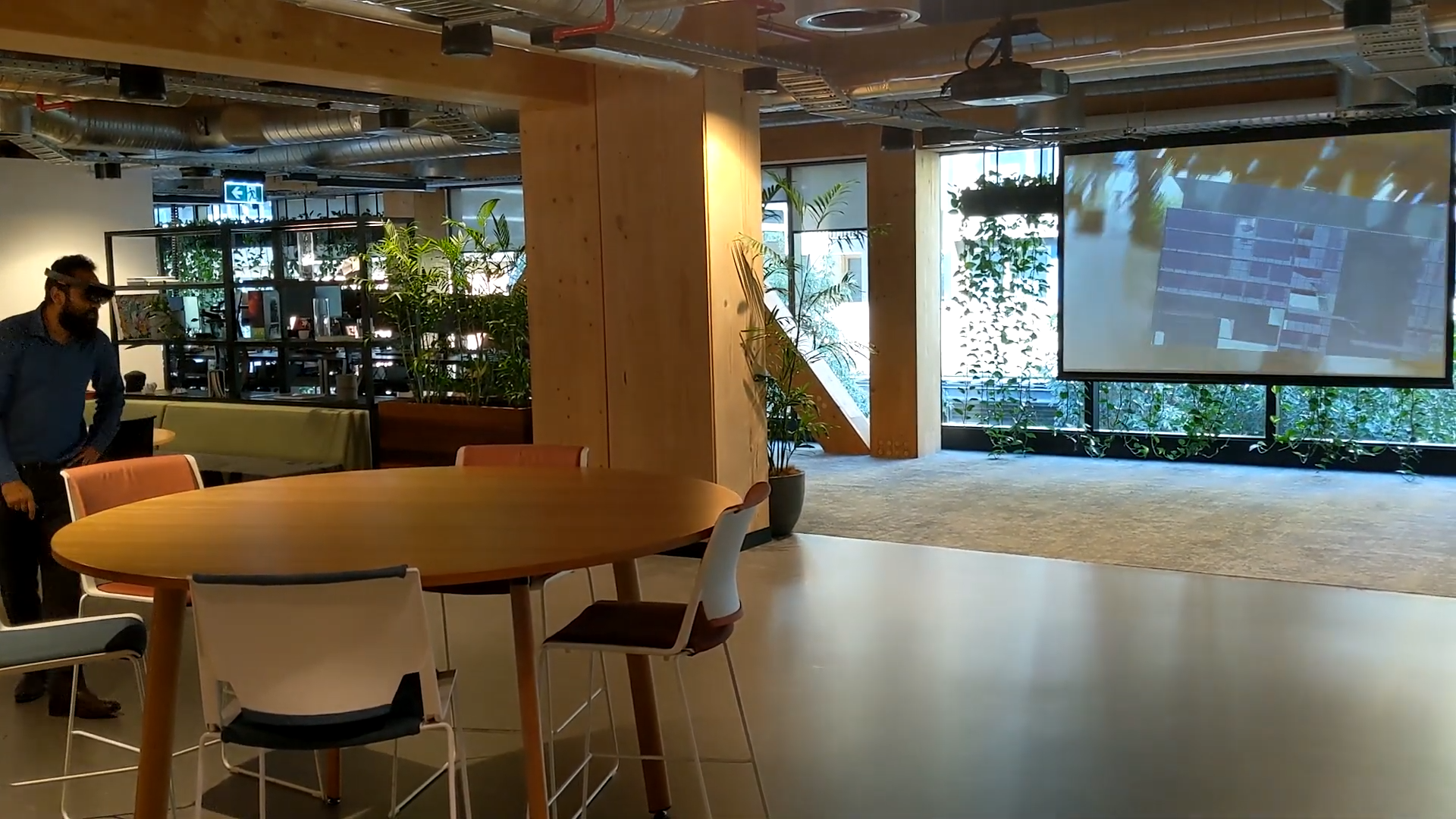
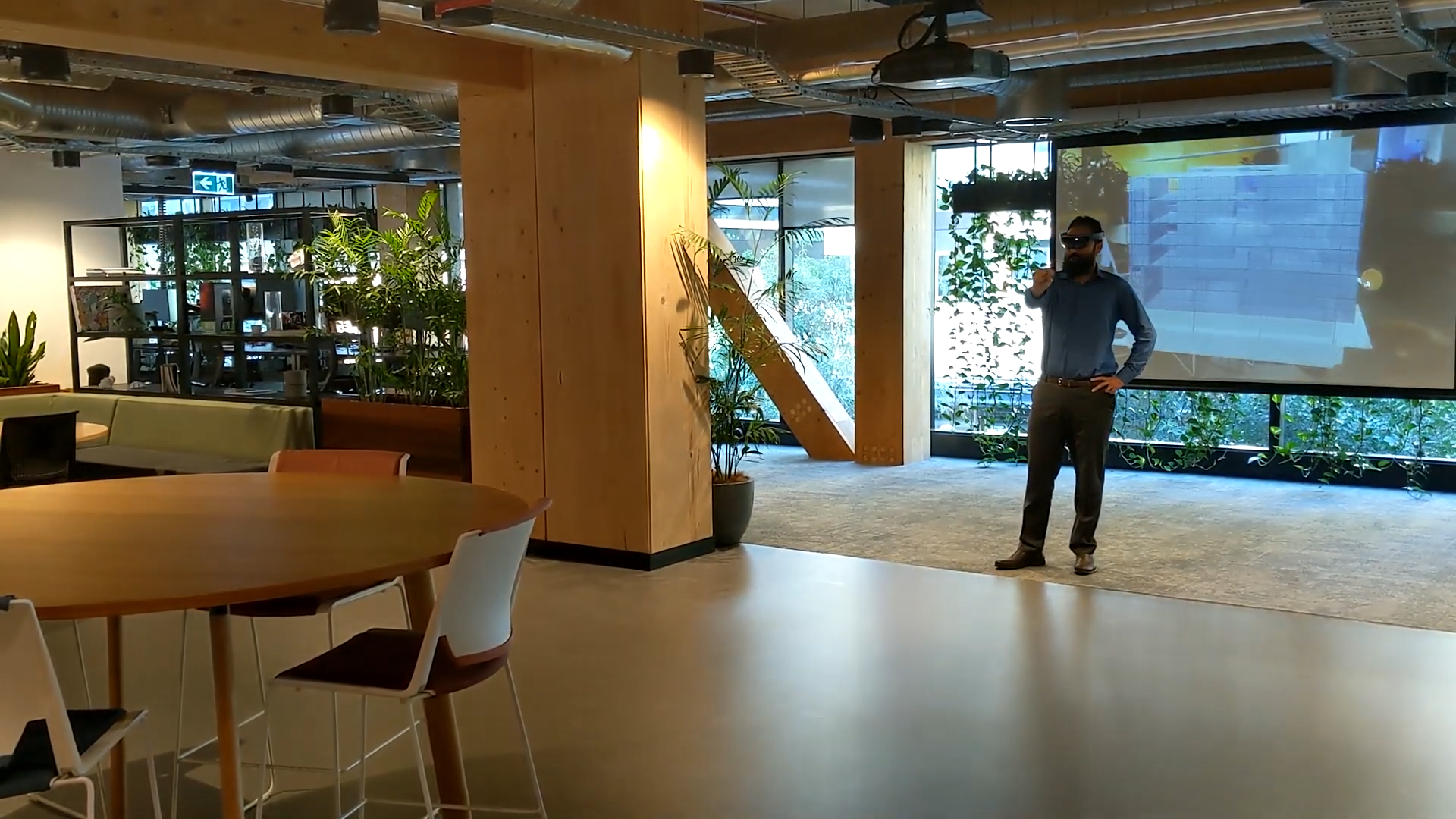
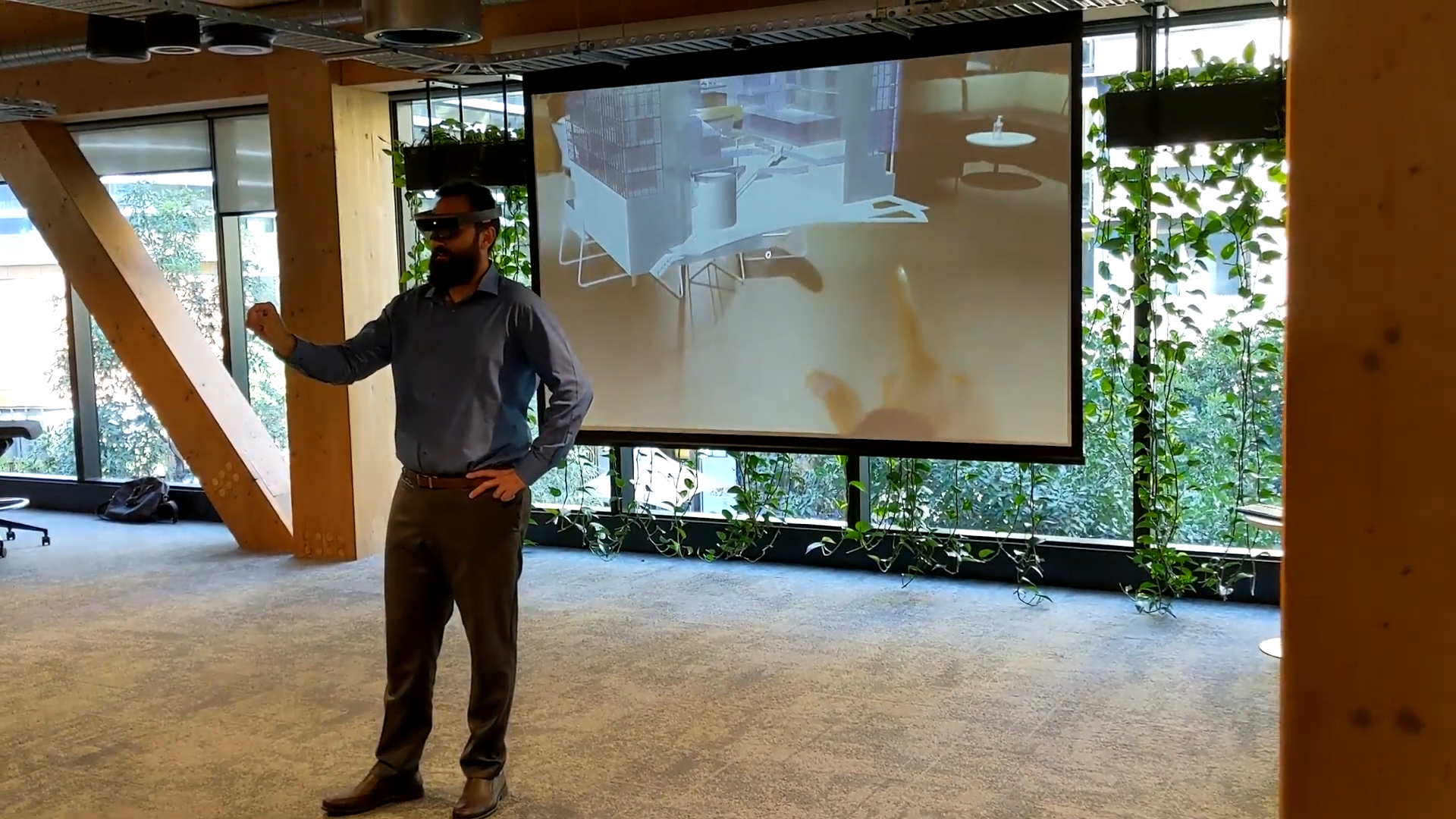
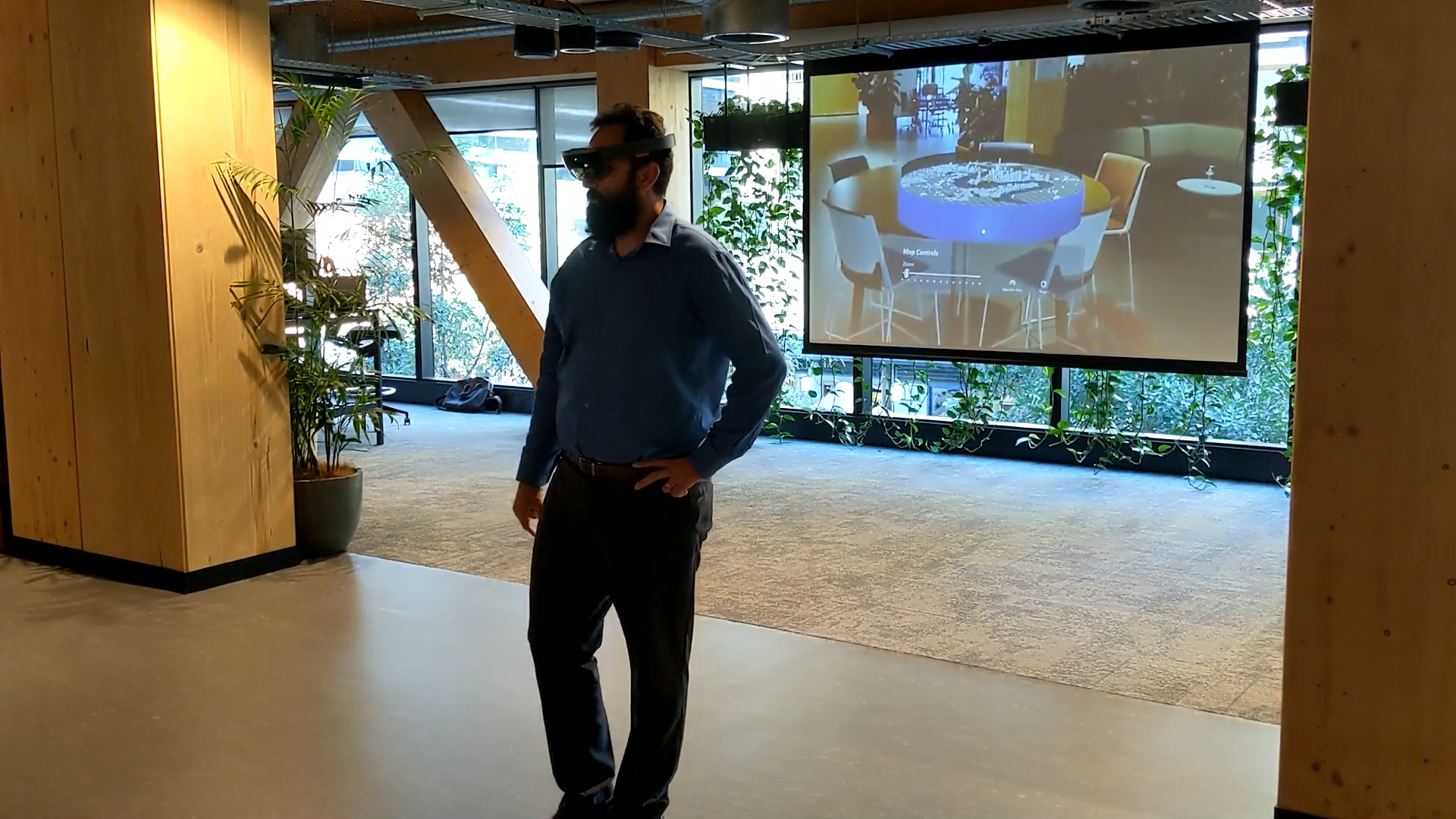
Dana Tech delivered a mixed reality experience showcasing how extended reality and Microsoft HoloLens can transform learning, collaboration, and decision making in complex engineering and infrastructure environments.
The project was designed to demonstrate how mixed reality can move beyond static documents and screens, enabling engineers, planners, and stakeholders to engage with engineering data spatially and intuitively. By placing digital engineering content directly into the physical world, the experience created a more natural and engaging way to understand scale, relationships, and intent.
The platform allowed users to step into real engineering scenarios using HoloLens, where digital models could be explored as if they existed in the room. Participants could move around assets, inspect details from any angle, and interact with systems in a way that closely mirrors how people understand physical environments. This approach made complex engineering concepts easier to grasp, especially for non technical audiences.
A core focus of the solution was training and collaborative learning. Users could manipulate components, review design intent, and annotate elements in real time, turning the experience into an active learning process rather than a passive demonstration. Live data and contextual information could be overlaid directly onto the mixed reality environment, helping users connect design decisions with performance, safety, and operational outcomes.
The experience proved particularly effective for shared understanding. Multiple participants could engage with the same mixed reality content, enabling discussion, alignment, and problem solving in a common spatial context. This helped reduce misinterpretation, improve communication across disciplines, and support more confident decision making.
The response from engineering leaders and practitioners highlighted the value of mixed reality as a practical tool for education, design review, and future project delivery. The experience demonstrated how XR can be applied to areas such as skills training, safety rehearsal, stakeholder engagement, and construction planning, offering clear advantages over traditional methods.
This project demonstrates Dana Tech’s capability to deliver immersive mixed reality solutions that make learning more engaging, collaboration more effective, and complex engineering information easier to understand. It shows how XR technologies can be applied meaningfully to real world engineering challenges, creating lasting value beyond the initial experience.
Sydney Wharf Upgrade Program
Accessible Public Engagement and Insight Platform by Dana Tech
Dana Tech delivered an interactive digital engagement platform for the NSW Government Wharf Upgrade Program, enabling a more accessible, inclusive, and data-driven way to gather public opinion at scale.
The project addressed a common challenge in public infrastructure delivery: how to clearly communicate proposed upgrades to a broad audience and collect meaningful feedback from the community in a way that is easy to understand, widely accessible, and analytically useful. Traditional consultation methods often limit participation or fail to capture informed responses. Dana Tech’s approach opened the process to a much wider audience.
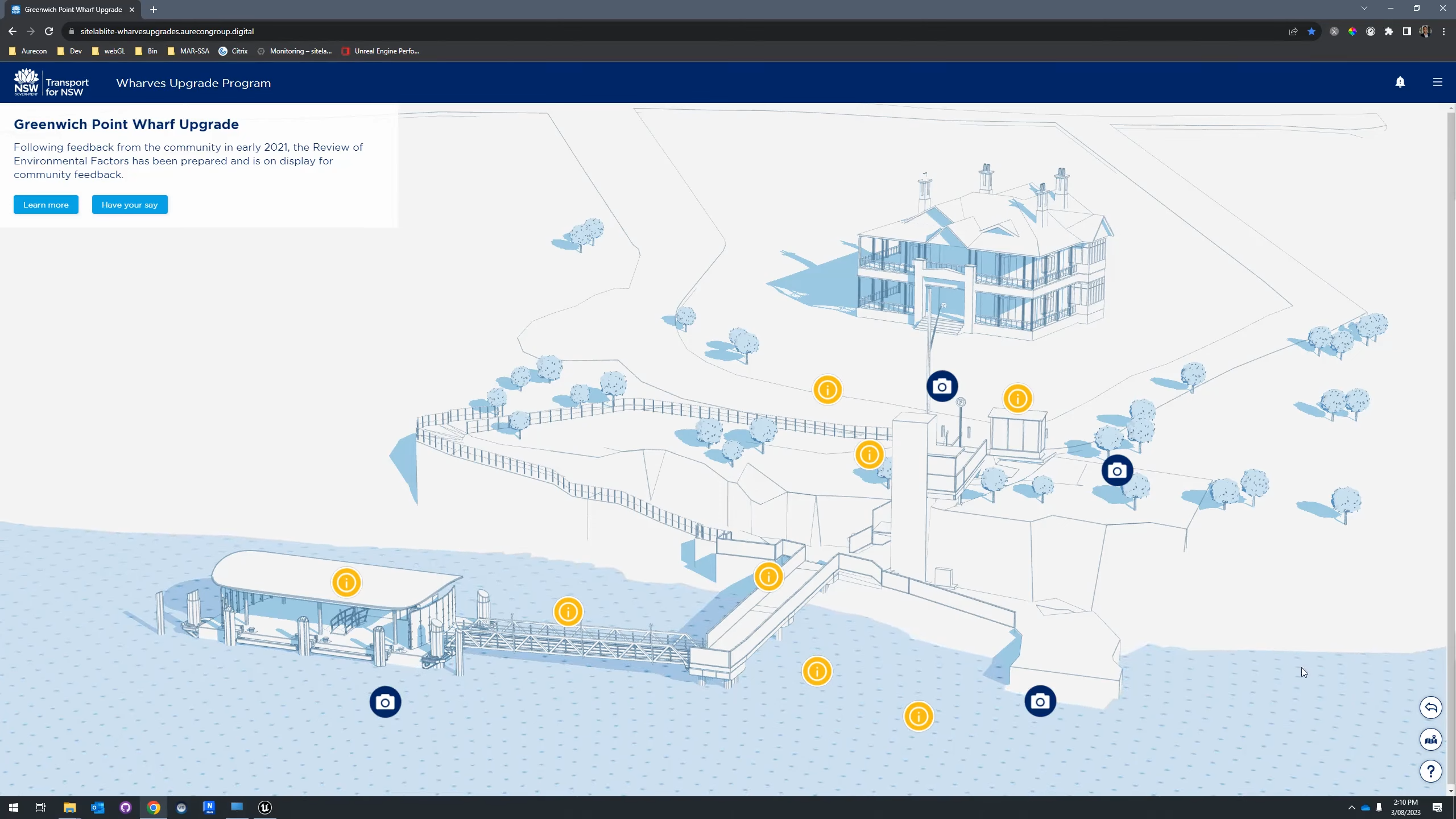
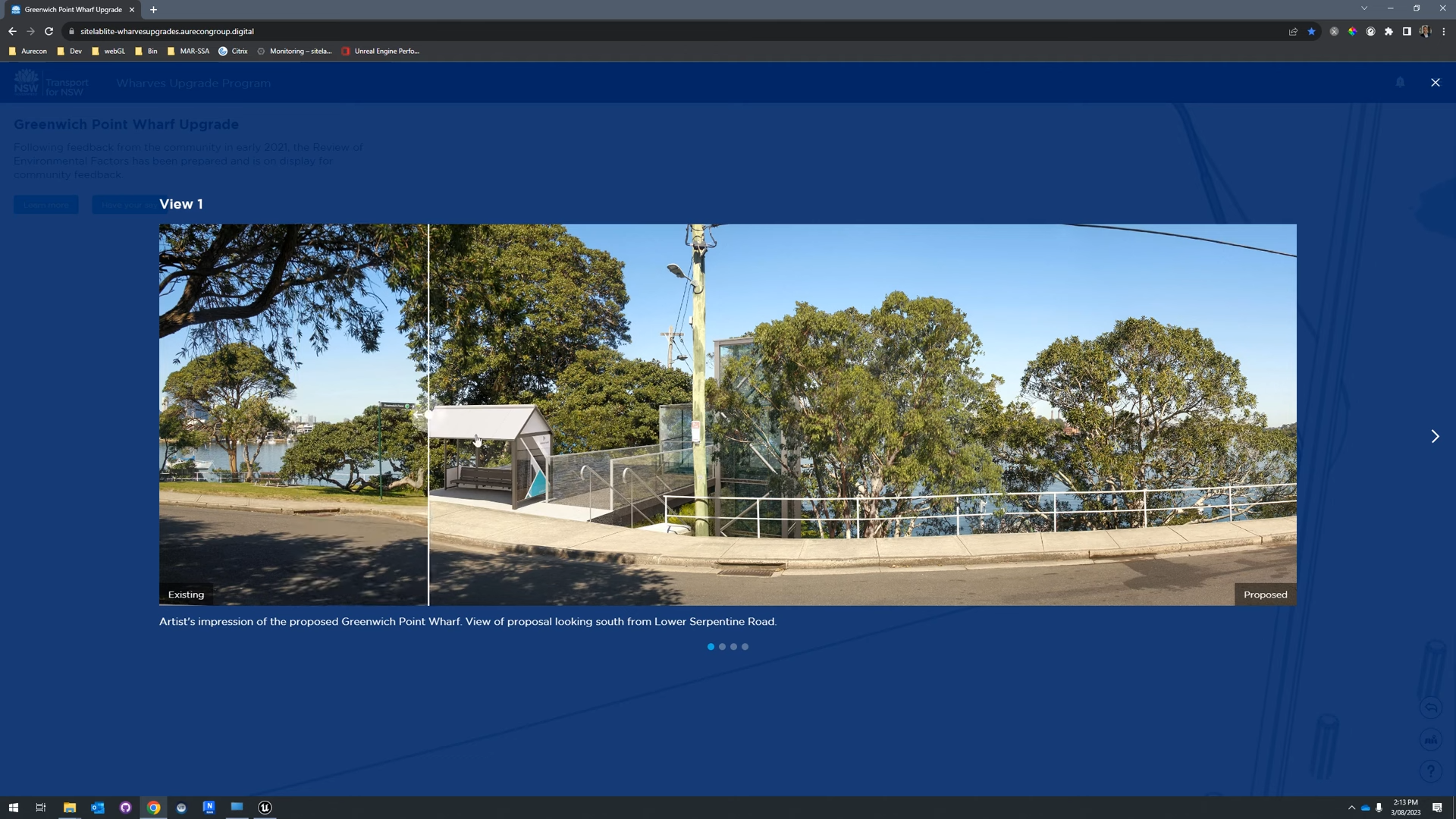
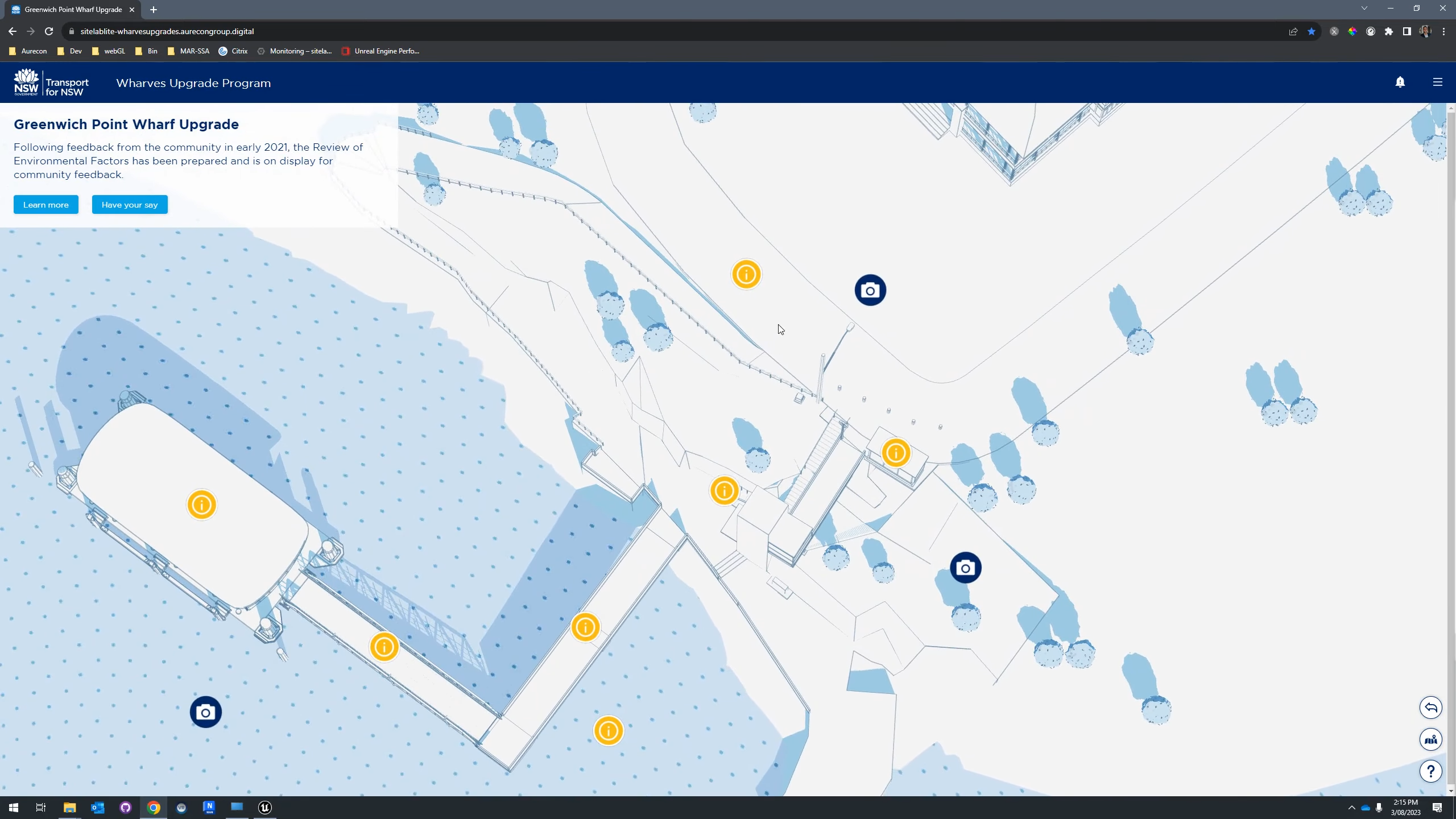
The solution provided a real time, browser based three dimensional representation of proposed wharf upgrades, accessible through standard web technology without specialist hardware or software. Members of the public could explore the proposed changes interactively, understand spatial relationships, and experience the design intent before construction. This significantly reduced barriers to participation and helped ensure feedback was based on clear understanding rather than abstract plans or technical drawings.
Crucially, the platform was designed not only for engagement, but for structured data collection. Public feedback could be captured in a consistent, measurable format, allowing government teams to analyse sentiment, identify trends, and extract meaningful statistics from community responses. This created a reliable foundation for evidence-based decision making rather than anecdotal consultation outcomes.
The approach helped the NSW Government gather insights from a broader and more diverse group of participants, including people who may not typically engage through traditional consultation channels. By making the experience intuitive and accessible, the project increased participation quality while improving transparency and trust in the consultation process.
Beyond the immediate program, the platform established a future-ready model for public insight gathering. The same approach can be reused and adapted across infrastructure projects, creating a scalable digital portal for ongoing community engagement, statistical analysis, and long term planning support.
This project demonstrates Dana Tech’s capability to deliver digital solutions that help government organisations engage communities more effectively, collect meaningful public data, and build stronger foundations for future infrastructure planning.
Ozak MIPIM Cannes
Interactive Physical–Digital Experience by Dana Tech
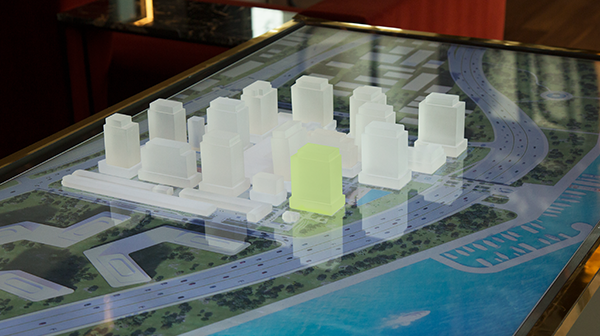
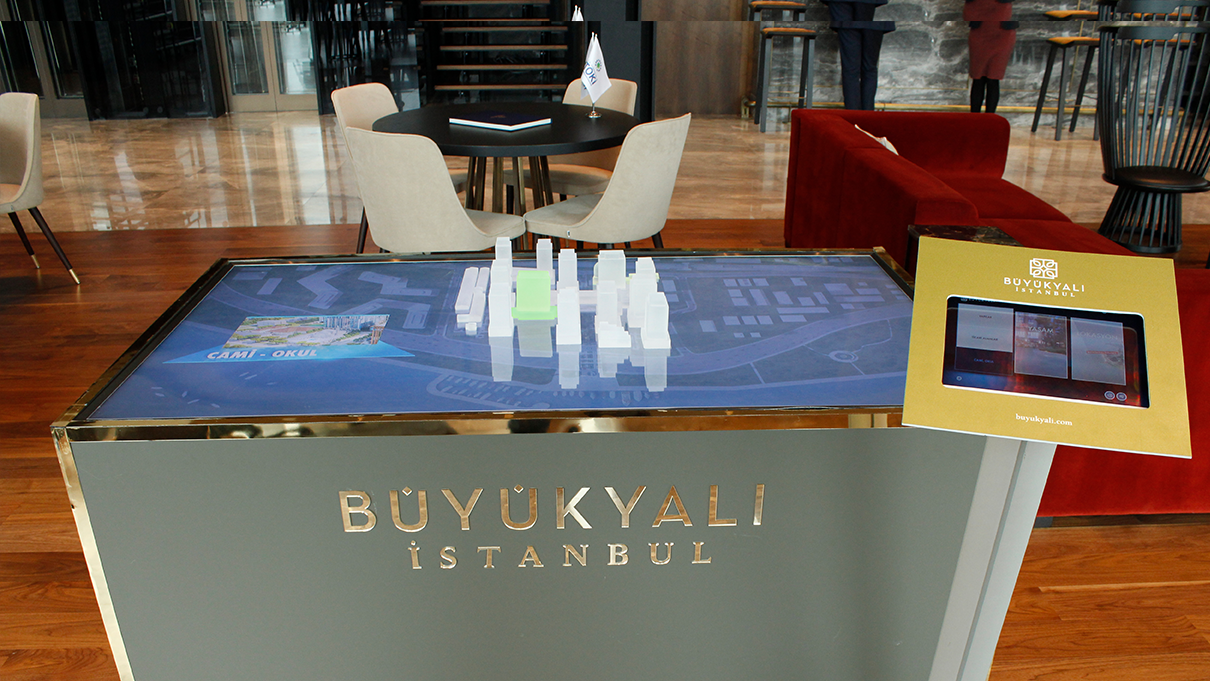
Dana Tech delivered a high impact interactive maquette experience for Ozak at MIPIM in Cannes, redefining how real estate developments can be presented, explored, and understood by international buyers and investors.
The project combined physical craftsmanship and real time digital technology into a single, cohesive experience designed to make complex developments intuitive, engaging, and memorable. Rather than relying on static models or brochures, Dana Tech created an interactive environment where buyers could physically engage with the development while accessing rich digital context in real time.
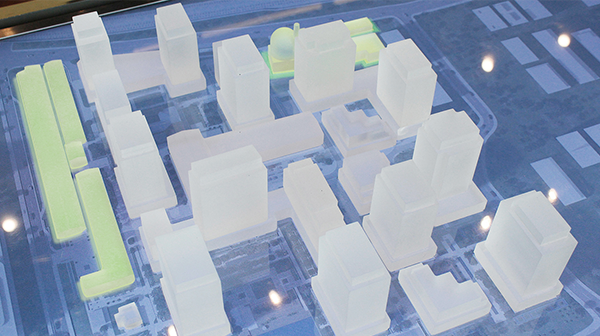
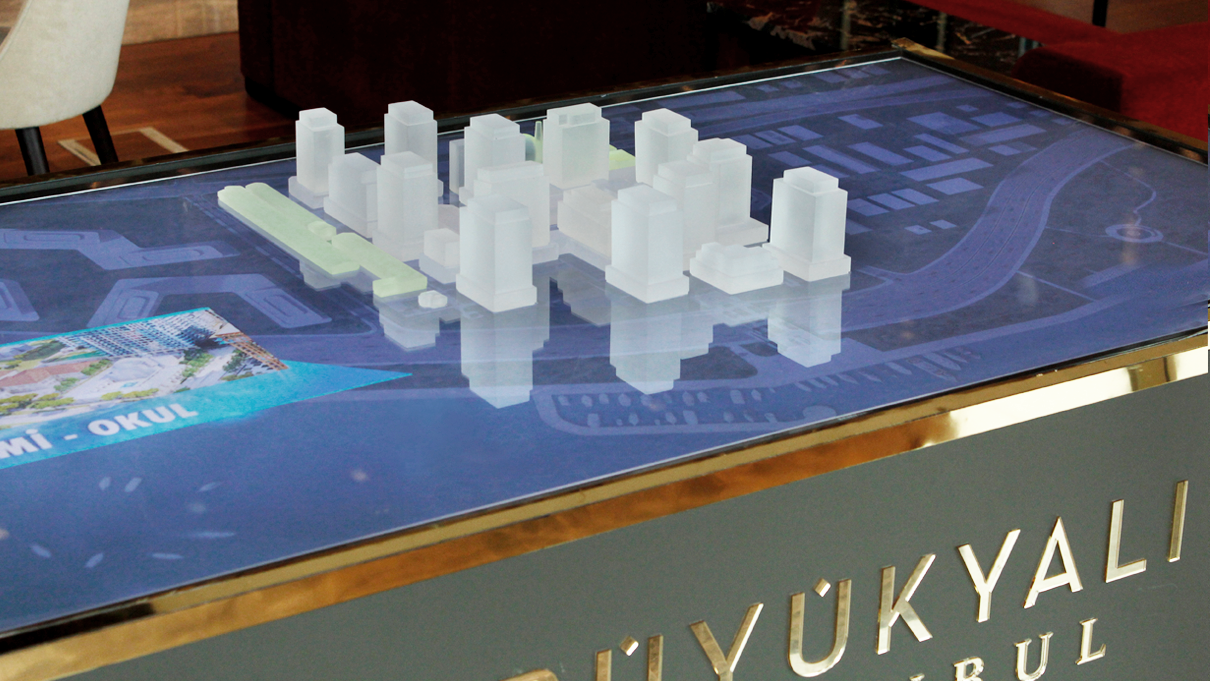
At the centre of the experience was a custom 3D printed transparent maquette representing the development at scale. Each building was precisely fabricated to allow internal lighting and visual emphasis without obscuring the overall form. Integrated lighting systems enabled individual buildings to be highlighted instantly based on user interaction.
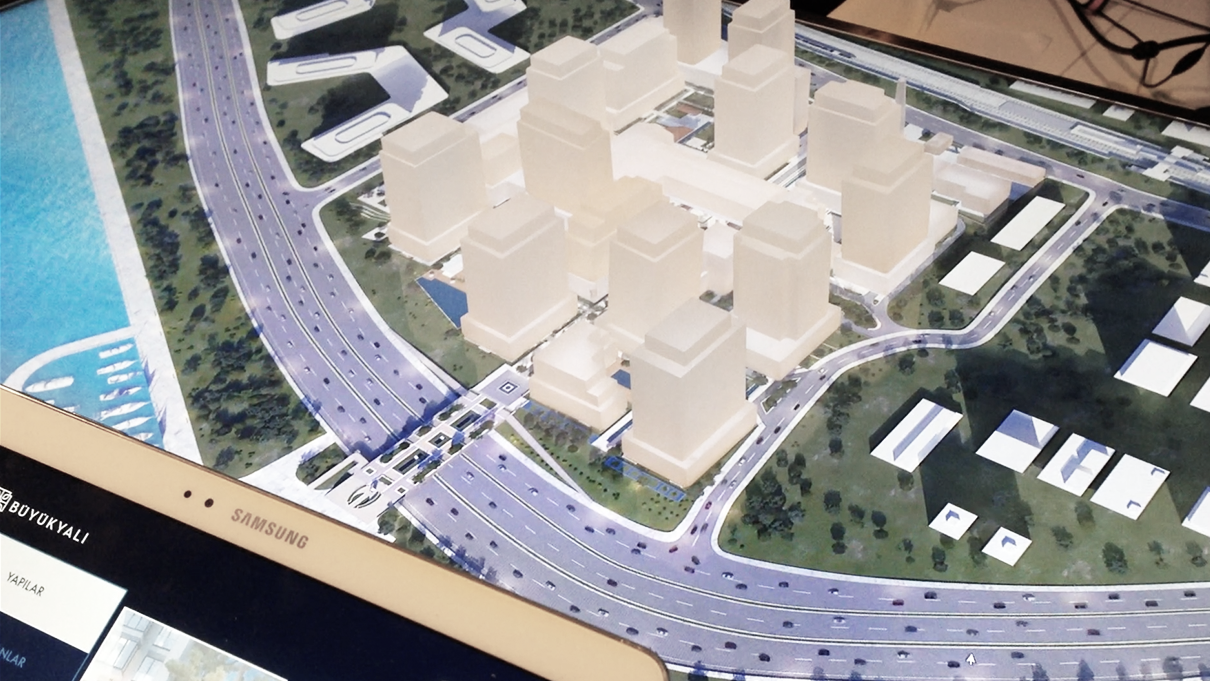
A custom tablet application acted as the control layer for the experience. Visitors could select specific buildings directly from the interface, triggering corresponding illumination within the physical model. This created a direct and intuitive link between digital selection and physical response, allowing buyers to focus on properties relevant to their interests without guidance or explanation.
Behind the maquette, a large display presented a real time animated environment of the development, including a dynamic day and night cycle. Users could adjust time of day via the tablet, observing how sunlight, shadow, and orientation affected individual buildings. This added critical context for decision making, helping buyers understand aspects such as aspect, exposure, and ambience that are difficult to communicate through static media.
To support MIPIM’s global audience, the experience was designed with multi language support, allowing instant switching between languages such as Japanese, French, and Spanish. This ensured accessibility and ease of use for international investors, reducing friction and improving engagement across cultures.
The installation became a focal point on the exhibition floor, attracting sustained attention throughout the event. Buyers responded strongly to the hands on, personalised nature of the experience, while industry professionals recognised it as a step change in how developments can be communicated. The combination of physical presence, interactivity, and real time feedback created a sense of confidence and clarity that traditional sales tools could not match.
This project demonstrates Dana Tech’s ability to merge physical fabrication, interactive systems, and real time digital content into powerful experiential platforms. It highlights how technology can enhance understanding, accelerate decision making, and create meaningful connections between buyers and complex developments in high pressure, high value environments.
Z każdą aktualizacją onlyspins zyskuje na dojrzałości i umacnia swoje miejsce w krajobrazie kasyn. Serwis klienta używa wewnętrznego systemu zgłoszeń, dzięki czemu wszystkie sprawy są bezluko udokumentowane. Sekcja promocji pokazuje trwające akcje z pozostałym czasem trwania. Podział na kategorie tematyczne ułatwia szybkie znalezienie właściwej gry. Sofort-wypłaty są dla zweryfikowanych graczy VIP szczególnym komponentem serwisu. Live Baccarat występuje w różnych wariantach, jak Speed Baccarat czy Squeeze. Bonusy match do 200 procent na wpłacie są dostępne w ramach specjalnych akcji. Mobilna oferta gier jest identyczna z wersją desktopową i obejmuje wszystkie dostępne tytuły. Platforma działa na podstawie oficjalnej licencji hazardowej od uznanego organu nadzorczego. Rankingi graczy w turniejach zapewniają zdrową konkurencję w społeczności. Cała oferta stawia wyraźnie na treść zamiast na krótkotrwałe marketingowe obietnice.
UniSC CAVE2™
Immersive Digital Twin Education Platform by Dana Tech
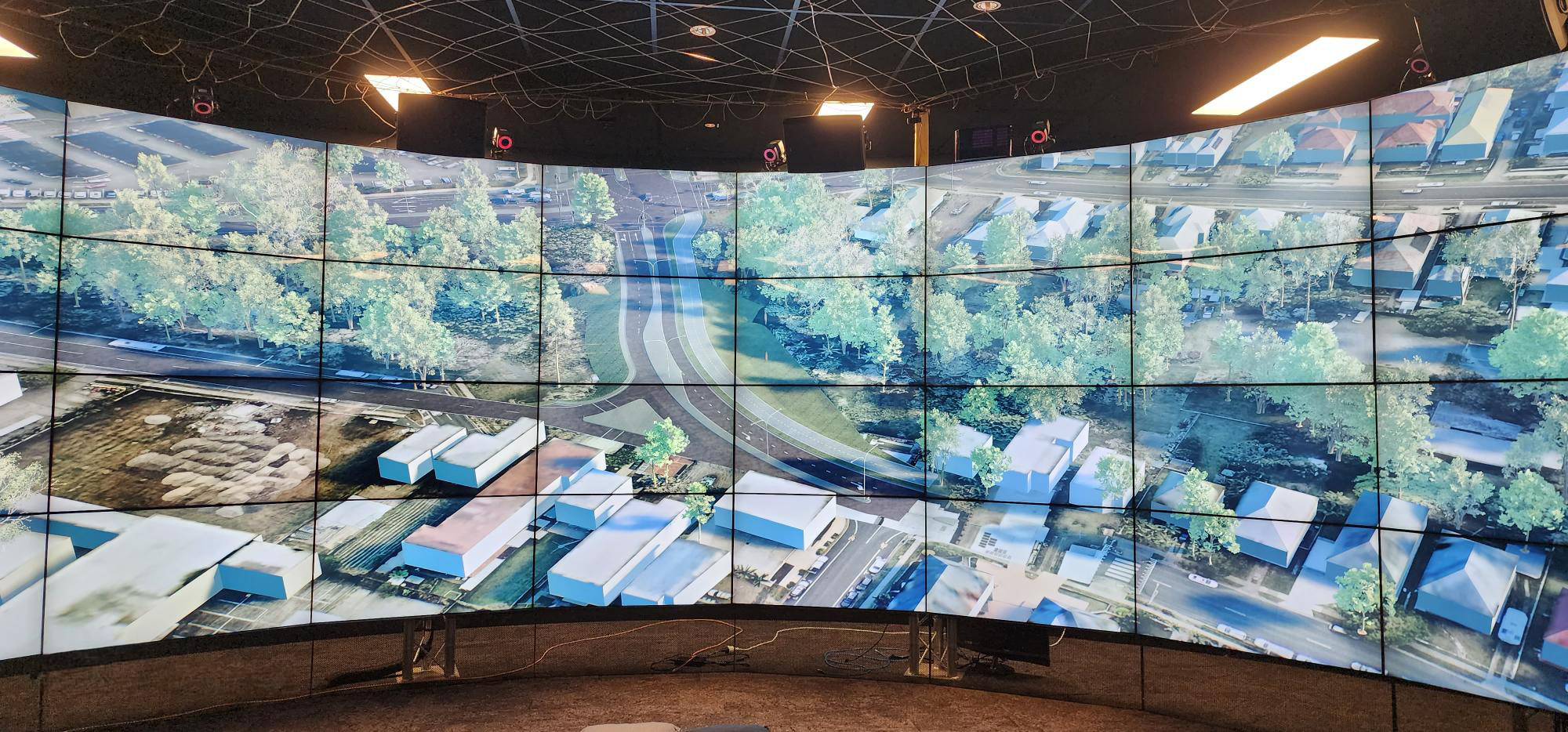
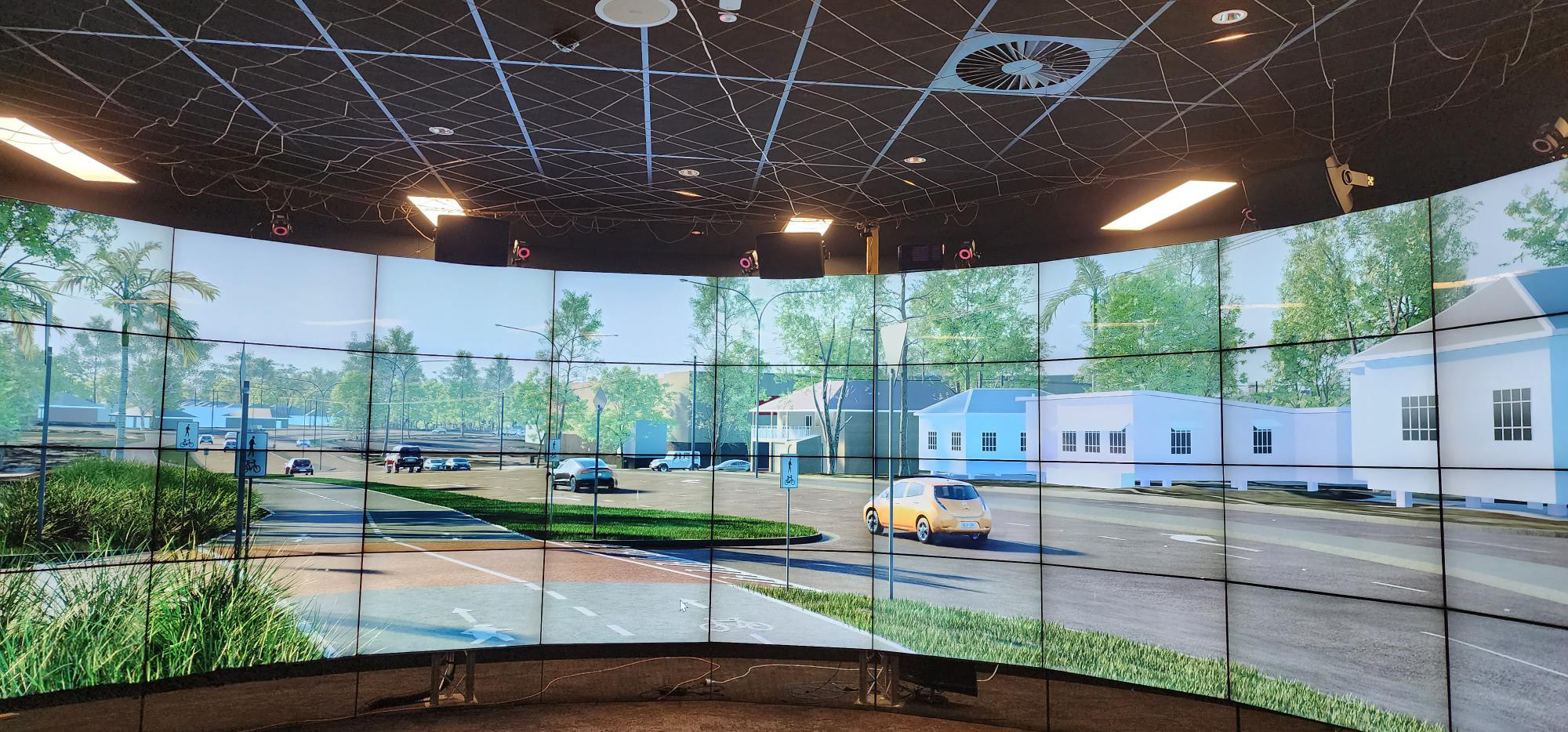
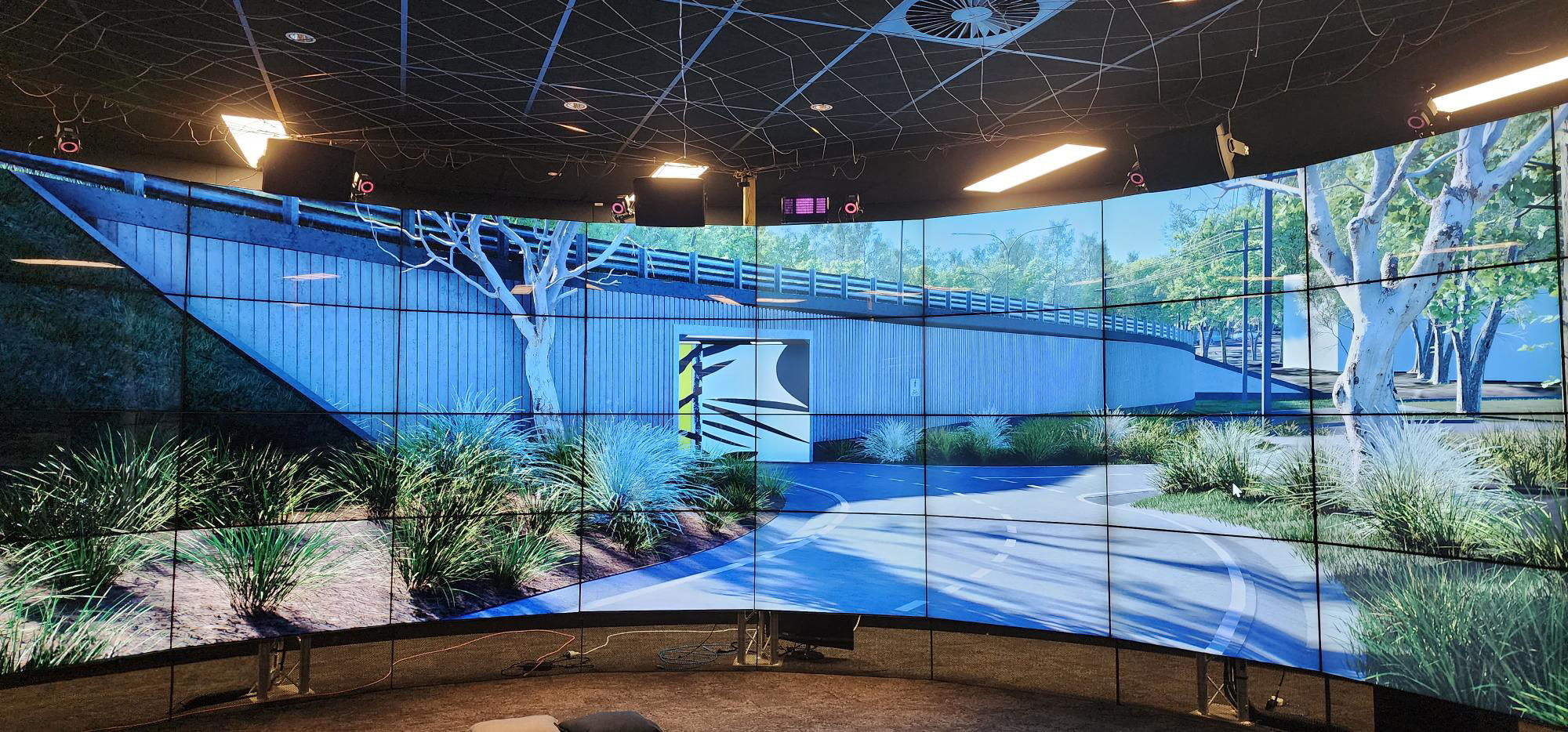
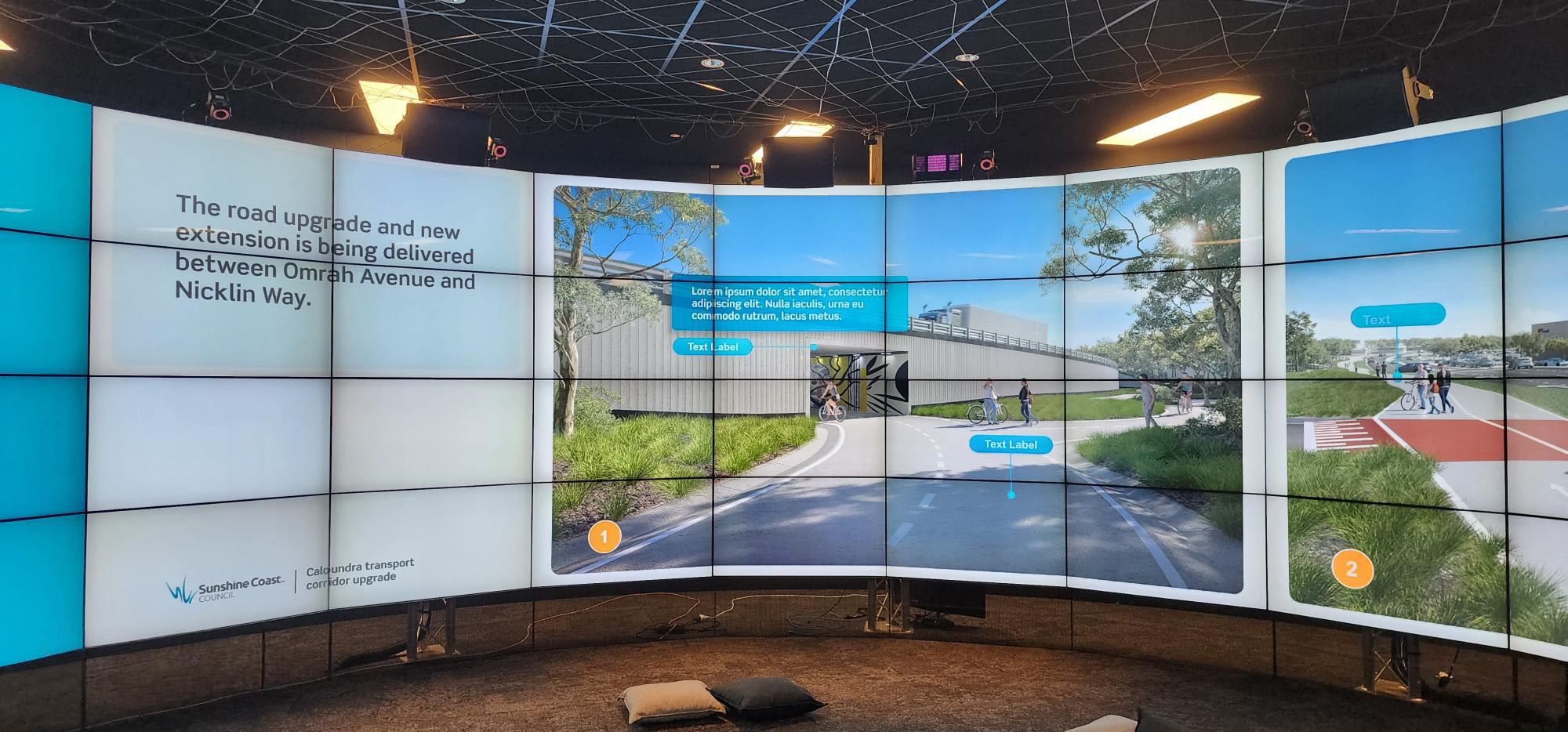
Dana Tech delivered an immersive digital twin experience for the University of the Sunshine Coast CAVE2™, adapting a real world transport infrastructure digital twin into a powerful education and training environment.
The project transformed a large scale transport corridor digital twin into an experience designed specifically for immersive learning, enabling students, educators, and visitors to explore complex urban infrastructure within a 320 degree surround environment. By deploying the digital twin inside the CAVE2™ system, Dana Tech created a shared learning space where spatial understanding, scale, and context could be experienced rather than explained.
The platform allowed users to navigate the digital environment interactively using joystick based controls, encouraging active participation instead of passive observation. Learners could move through the corridor, examine design elements, and understand how infrastructure decisions impact surrounding communities. This hands on approach made complex planning and engineering concepts more intuitive, engaging, and memorable.
The experience was designed to support a wide audience. Engineering and planning students used the platform to connect theoretical knowledge with real world application, while school groups and community visitors were introduced to digital twin technology in an accessible and engaging way. This broadened the educational value beyond formal coursework and helped demystify infrastructure planning for non technical audiences.
By presenting a real project within an immersive environment, the platform demonstrated how digital twin technologies are used in professional practice. Students gained exposure to the same tools and workflows applied in large scale infrastructure projects, helping prepare them for future roles in engineering, urban planning, and digital delivery.
The use of the CAVE2™ environment significantly enhanced learning outcomes. The immersive format improved spatial awareness, supported collaborative discussion, and enabled deeper understanding of complex systems that are difficult to grasp through traditional drawings or screens.
This project demonstrates Dana Tech’s ability to adapt advanced digital twin solutions for education and training, turning real infrastructure data into engaging learning experiences. It highlights how immersive environments can play a critical role in preparing the next generation of engineers and planners while supporting broader community understanding of major infrastructure projects.
Adeland Integrated 3D World & Multi Platform Campaign
End to End 3D Production, Rendering Systems, and Cross Platform Visual Delivery
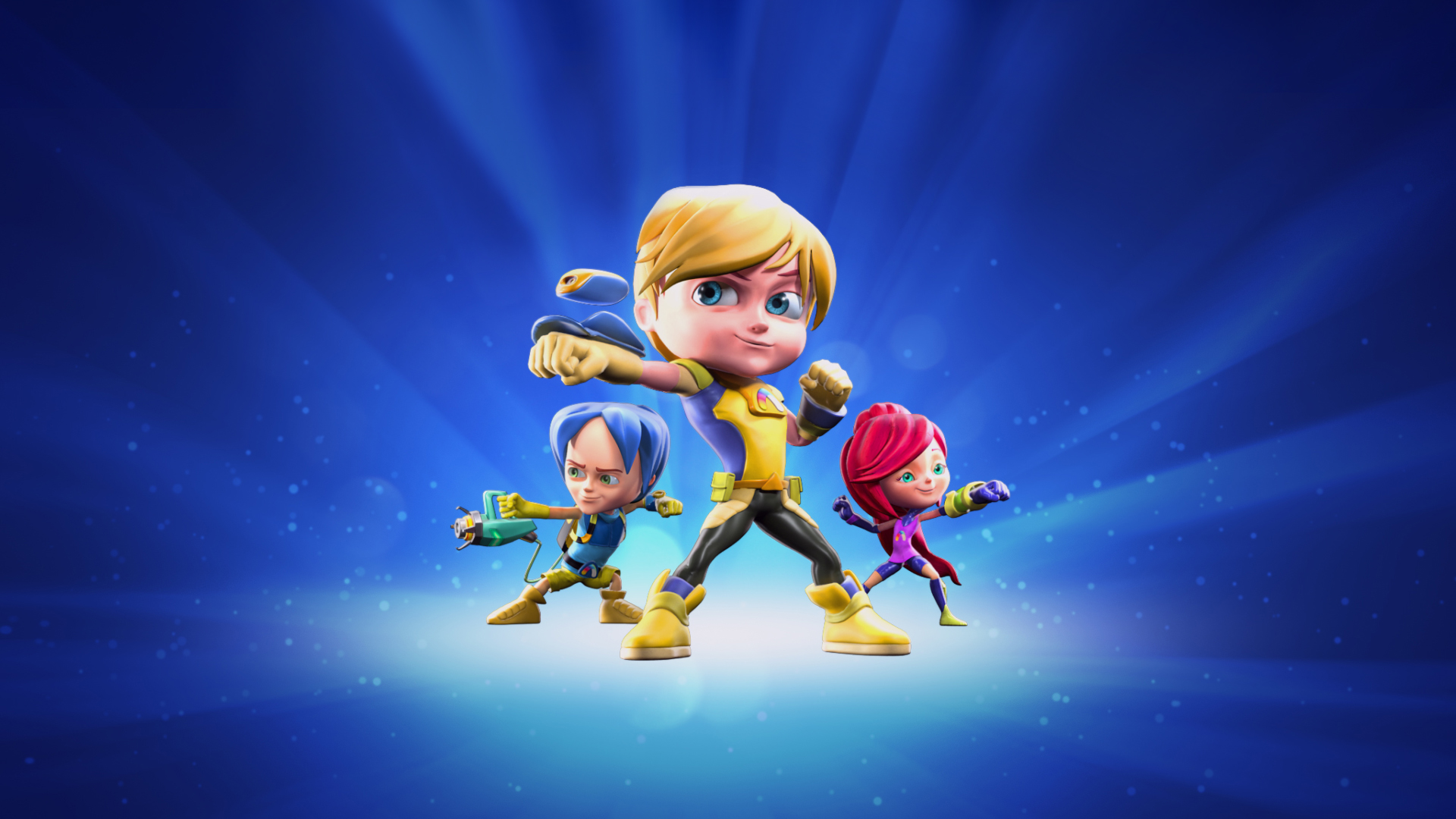
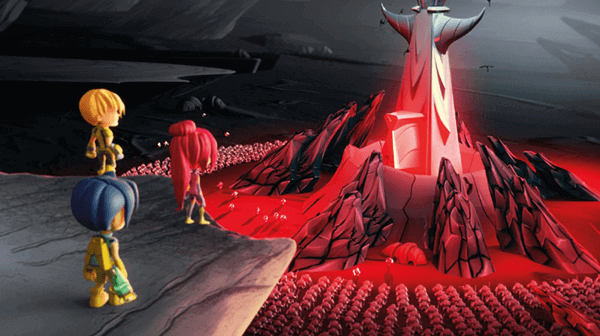
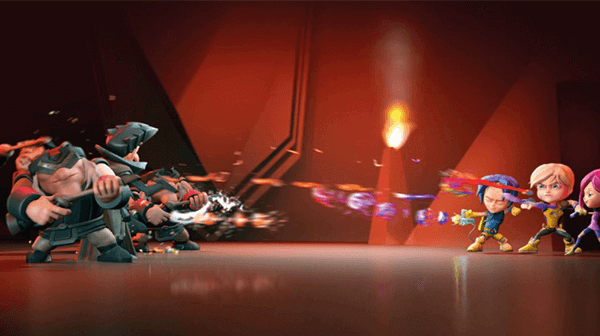
Adeland was a fully integrated 3D world building initiative developed for Adel, one of Turkey’s leading stationery brands. The project combined broadcast production, long form episodic animation, interactive gaming, and merchandising into a unified visual ecosystem designed to engage young audiences across multiple platforms.
The initiative launched with a national television commercial introducing the Adeland universe, followed by six animated webisodes totaling over thirty minutes of narrative content. The digital strategy extended further into an interactive online game and character driven packaging and merchandising systems. The campaign achieved rapid traction, generating over 19,000 online players within the first week of broadcast and expanding across five countries through multilingual deployment.
At its core, Adeland required the creation of a fully realized fictional world with a consistent visual language, scalable production workflows, and reliable rendering pipelines capable of delivering broadcast grade quality while remaining adaptable for web and interactive platforms.
Dana Tech led the senior 3D rendering and visual development operations, defining the aesthetic framework and overseeing asset production across characters and environments. The work involved building high detail models, developing vibrant texture systems, and engineering advanced lighting and rendering setups using 3ds Max and V Ray to achieve a stylized yet high fidelity look suitable for both television and digital environments.
A major technical challenge was ensuring visual consistency across mediums with very different performance constraints. Broadcast output required cinematic quality rendering, while webisodes and game assets demanded optimization without compromising artistic integrity. This required careful asset structuring, render optimization strategies, and close coordination between modeling, animation, and integration teams.
Lighting design played a critical role in defining the emotional tone of the Adeland universe. Dynamic lighting systems were constructed to amplify the playful and imaginative atmosphere while preserving color accuracy and character readability across multiple output formats.
Beyond asset creation, the project demanded synchronization between creative direction, rendering pipelines, animation workflows, and interactive deployment. Maintaining cohesion across television, web, gaming, and merchandising required disciplined pipeline management and precise technical coordination.
The result was a vibrant and recognizable brand universe that strengthened Adel’s market presence and demonstrated the effectiveness of large scale 3D world building as a brand engagement strategy. Adeland stands as a case study in cross platform visual integration, blending storytelling, rendering technology, and production engineering into a single unified delivery under Dana Tech’s technical leadership.

Gloria Sports Arena Image Film Visualization Project
Architectural 3D Visualization, Photoreal Rendering, and Narrative Visual Engineering
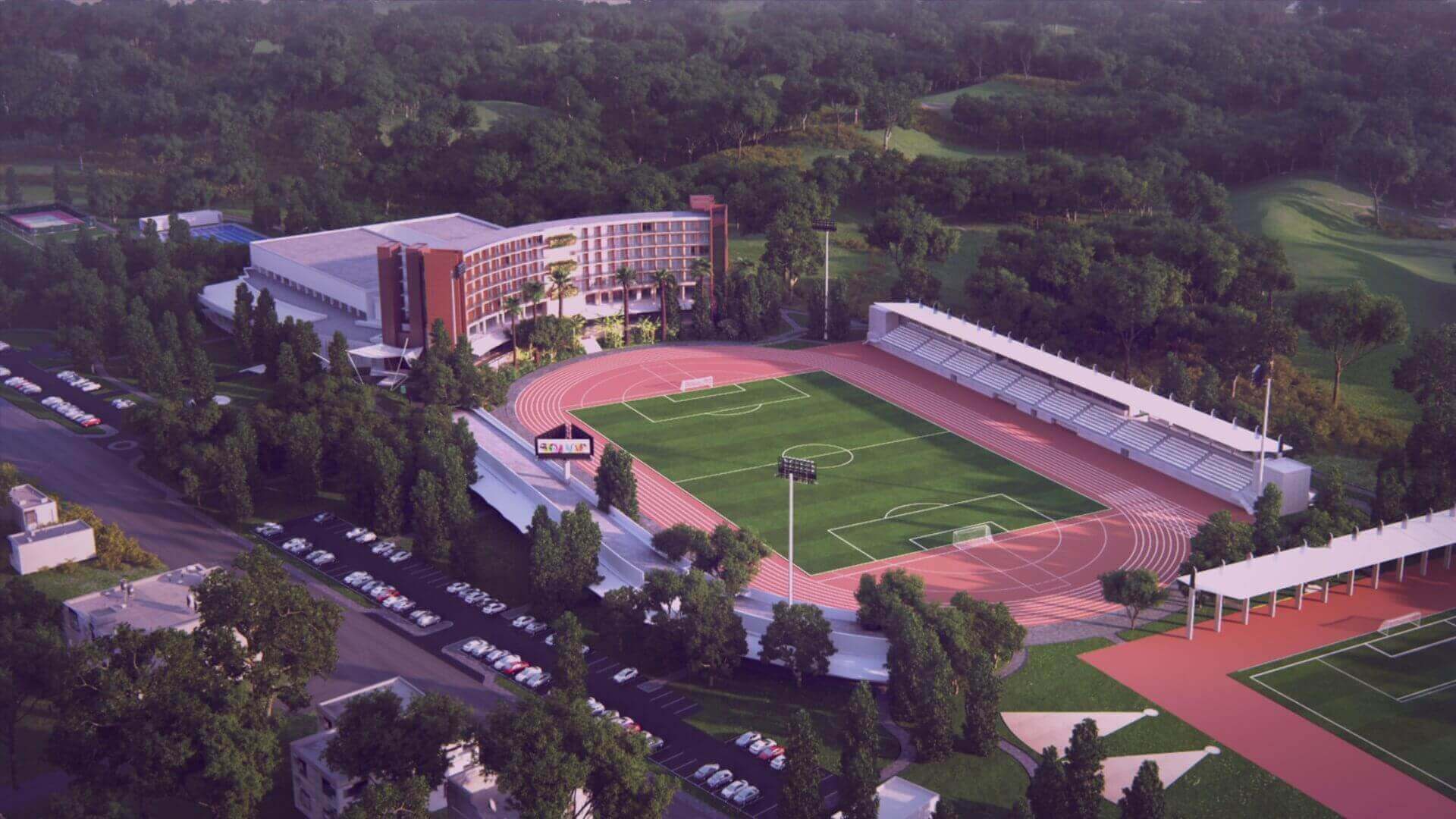
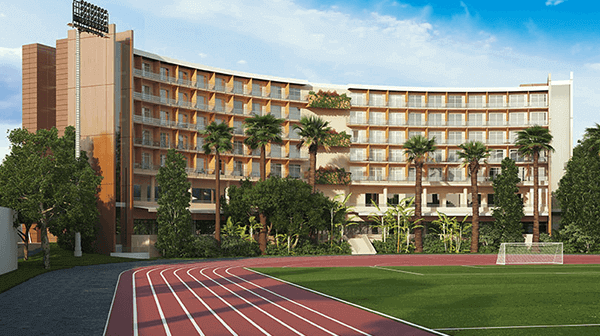
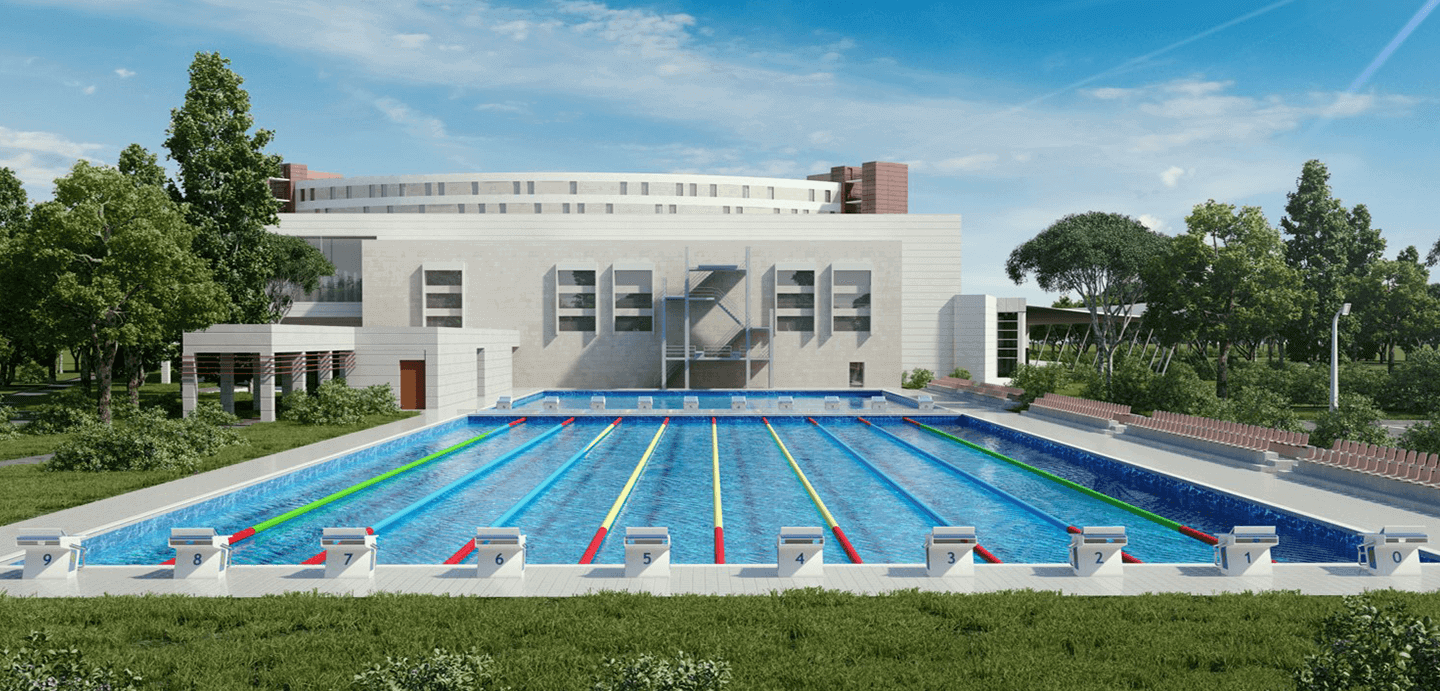
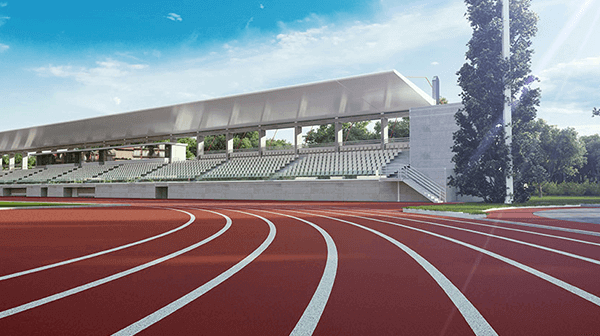
The Gloria Sports Arena Image Film was a high profile architectural visualization project developed to present one of Europe’s most advanced sports complexes. Located in Belek, Antalya and spanning over 105,000 square meters, Gloria Sports Arena hosts more than fifty sports disciplines across indoor, outdoor, and aquatic facilities.
The objective was not simply to document the facility, but to translate architectural scale and technical precision into a compelling visual narrative. Rather than relying on traditional montage sequences, the film was constructed around carefully designed visual transitions that connected disciplines through motion and form. A track line evolved into an arrow. The arrow extended into the boundary of a volleyball court. The volleyball transformed into a hockey ball. Each transition revealed a new facility while maintaining a seamless visual flow.
Dana Tech led the 3D visualization and rendering direction for the project, overseeing the development of high fidelity digital replicas of the entire complex. Working directly from architectural blueprints and design documentation, the team constructed accurate 3D models of facilities, equipment, and environments with a strong emphasis on realism and spatial authenticity.
Rendering pipelines were engineered to deliver cinematic photoreal output at high resolution while maintaining efficient production timelines. Advanced lighting setups were developed to capture the unique atmosphere of each environment, from reflective aquatic surfaces to expansive outdoor arenas. Material systems and shader configurations were carefully tuned to ensure surface realism under varied lighting conditions.
A major technical challenge involved balancing architectural accuracy with dynamic storytelling. The transitions required precise geometric alignment and controlled motion design to ensure continuity between scenes. This demanded close collaboration between 3D artists, the director, and the architectural studio, with iterative refinement to achieve seamless visual transformation between disciplines.
Optimization was another critical factor. High detail assets across multiple large scale environments required disciplined texture management, shader efficiency, and render calibration to maintain output quality without compromising production efficiency.
The final film achieved international recognition, winning the 2014 Aurora Award Gold in the Corporate Identity and Image Film category. The project demonstrated how advanced 3D visualization and disciplined rendering systems can transform architectural data into an immersive cinematic experience.
Gloria Sports Arena stands as a benchmark example of architectural storytelling through photorealistic digital environments, combining precision modeling, lighting engineering, and narrative flow under Dana Tech’s technical leadership.
AcarBlu Residence Immersive Real Estate Visualization & VR Platform
Photoreal 3D Rendering, Interactive Virtual Reality Systems, and Luxury Sales Experience Engineering
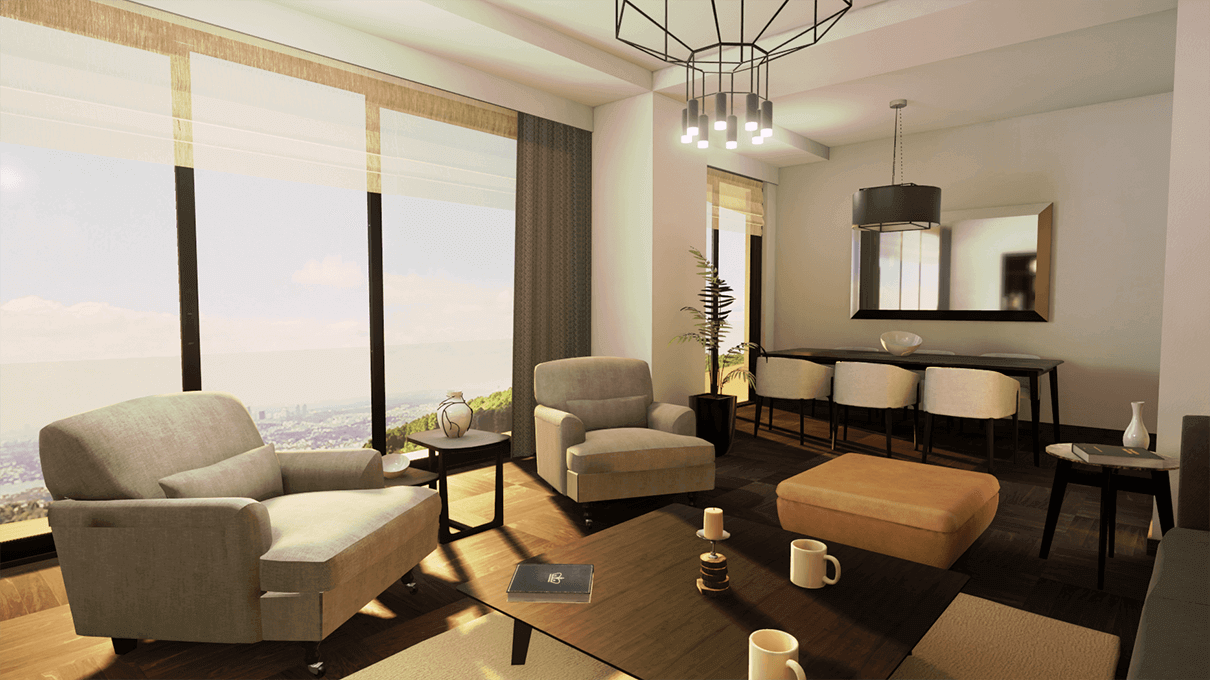
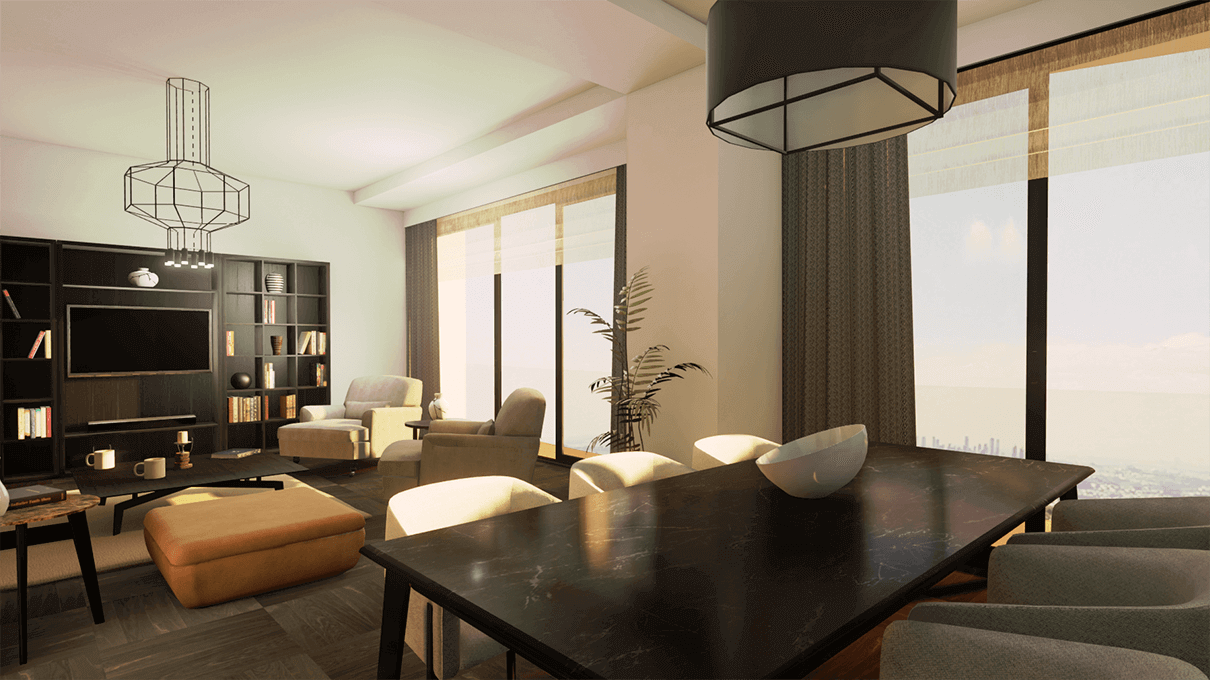
AcarBlu Residence is a landmark luxury residential development in Istanbul, comprising 240 premium apartments, 10,000 square meters of landscaped green space, and panoramic 360 degree Bosphorus views. The scale and prestige of the project demanded a marketing approach that matched its architectural ambition.
Dana Tech was engaged to design and deliver a dual visualization strategy combining high end 3D rendering for marketing campaigns with a fully interactive Virtual Reality platform for the on site sales center. The objective was to transform traditional property marketing into an immersive decision making experience.
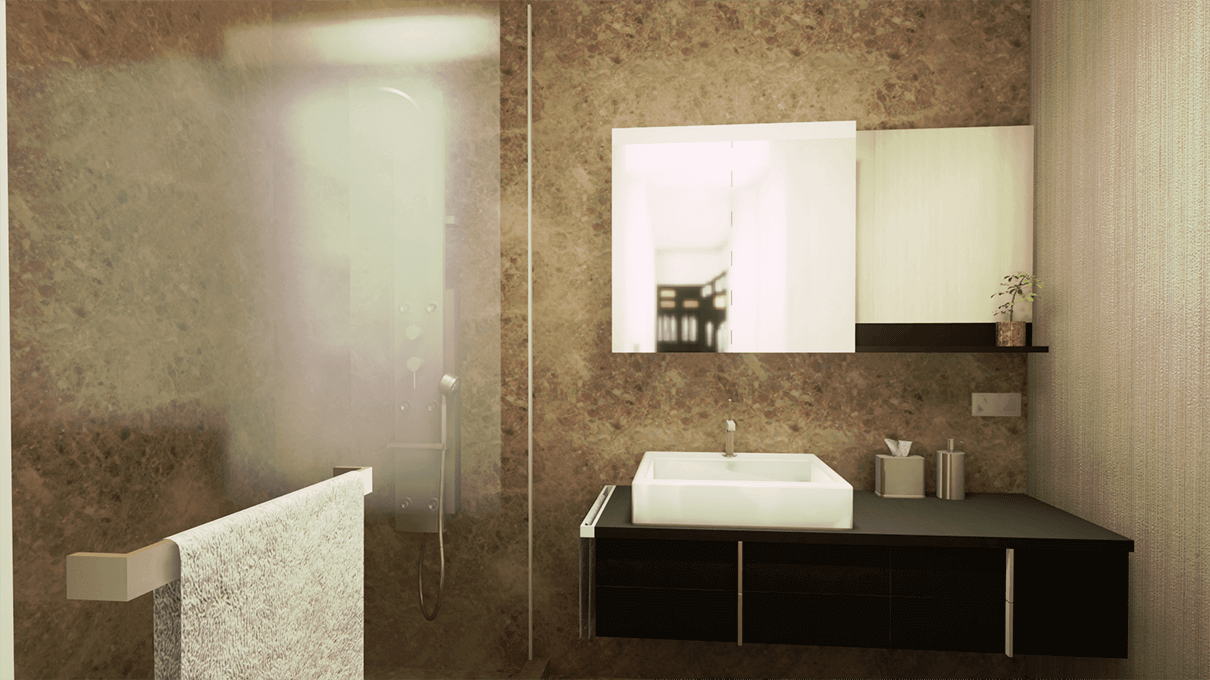
The first phase focused on producing photorealistic 3D visualizations for use in brochures, digital campaigns, and television commercials. Using 3ds Max and Corona Renderer, Dana Tech developed detailed interior and exterior scenes that reflected architectural accuracy and material authenticity. Every element, from surface finishes to lighting behavior, was engineered to convey refinement, spatial depth, and luxury atmosphere.
These visual assets were structured to function consistently across print, broadcast, and digital channels, ensuring a unified brand presence. The renders were not simply architectural representations but carefully composed lifestyle narratives designed to resonate with high end buyers.
The second phase introduced an advanced Virtual Reality application built in Unreal Engine for deployment within the AcarBlu sales center. This platform enabled potential buyers to physically step inside their future homes within a fully immersive environment.
The system supported full 360 degree exploration, allowing visitors to navigate interiors freely and experience spatial proportions, lighting conditions, and Bosphorus views in real scale. A real time customization engine was integrated into the application, enabling buyers to modify wall colors, flooring materials, and selected design elements dynamically. The rendering engine recalculated visual changes instantly, providing immediate feedback and enhancing emotional engagement.
Navigation was designed to be intuitive, supporting joystick controlled movement to ensure accessibility for all users regardless of technical familiarity. Stability and performance optimization were critical, as the application needed to operate reliably in a public facing sales environment.
The integration of cinematic 3D visualization and interactive VR technology redefined the traditional real estate sales process. Prospective buyers were able to experience, personalize, and emotionally connect with their apartments before construction completion. This immersive approach accelerated decision timelines and increased buyer confidence.
AcarBlu Residence became a benchmark example of technology driven luxury real estate marketing. The project demonstrated how photoreal rendering systems and real time interactive platforms can merge architectural precision with experiential storytelling under Dana Tech’s technical leadership.

World Petroleum Congress Immersive Projection Mapping System
Large Scale Unreal Engine Content Development and Real Time Projection Mapping Integration
The 22nd World Petroleum Congress in Calgary brought together global energy leaders to address one of the defining challenges of our time: the transition toward net zero. For an event of this scale and significance, the visual language needed to match the magnitude of the conversation.
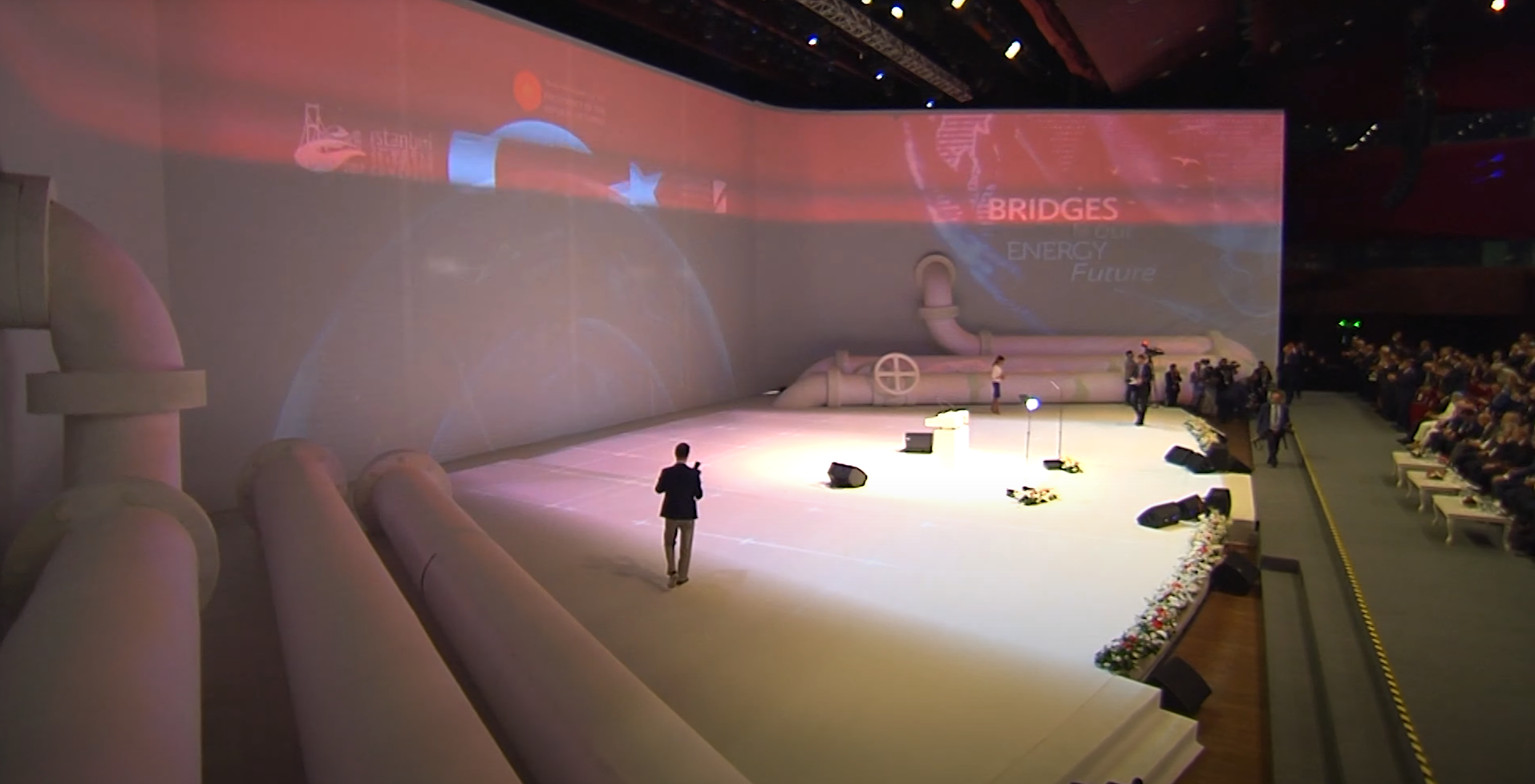
Dana Tech was appointed to lead the technical direction and development of a monumental video projection mapping installation designed to visualize the flow of energy at architectural scale. The objective was to transform complex energy systems into an immersive narrative experience that could communicate infrastructure, innovation, and sustainability to a global audience.
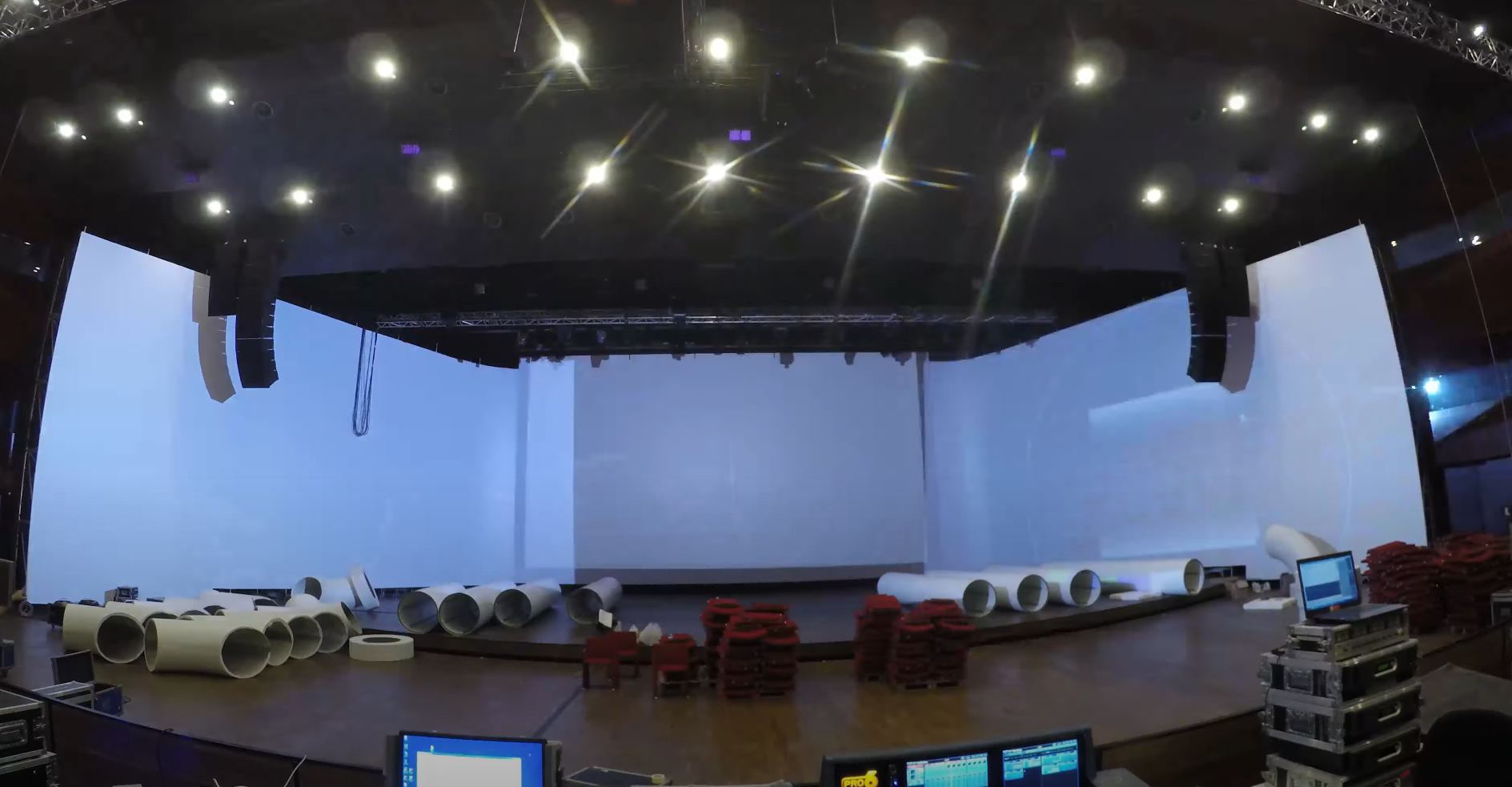
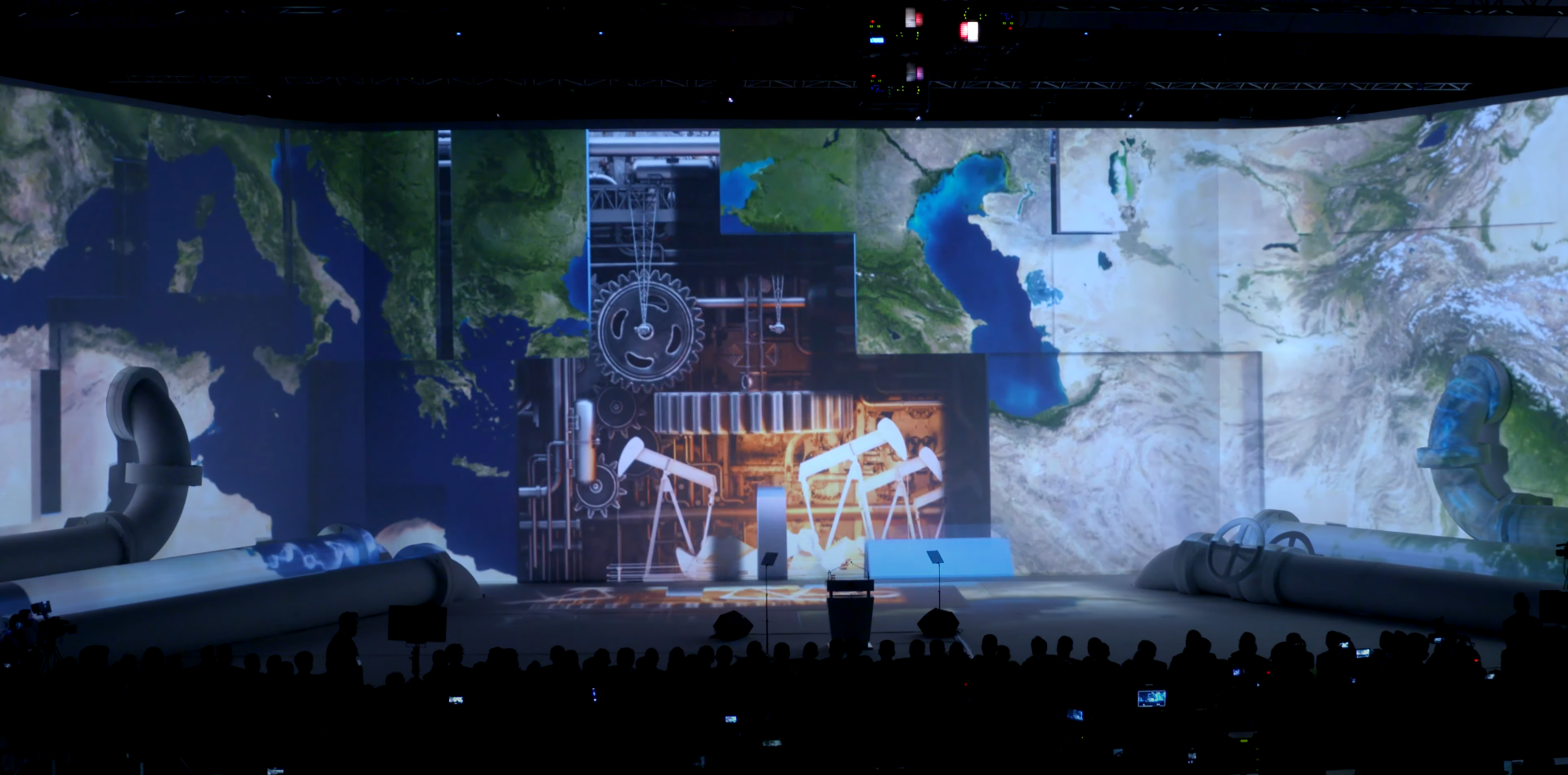
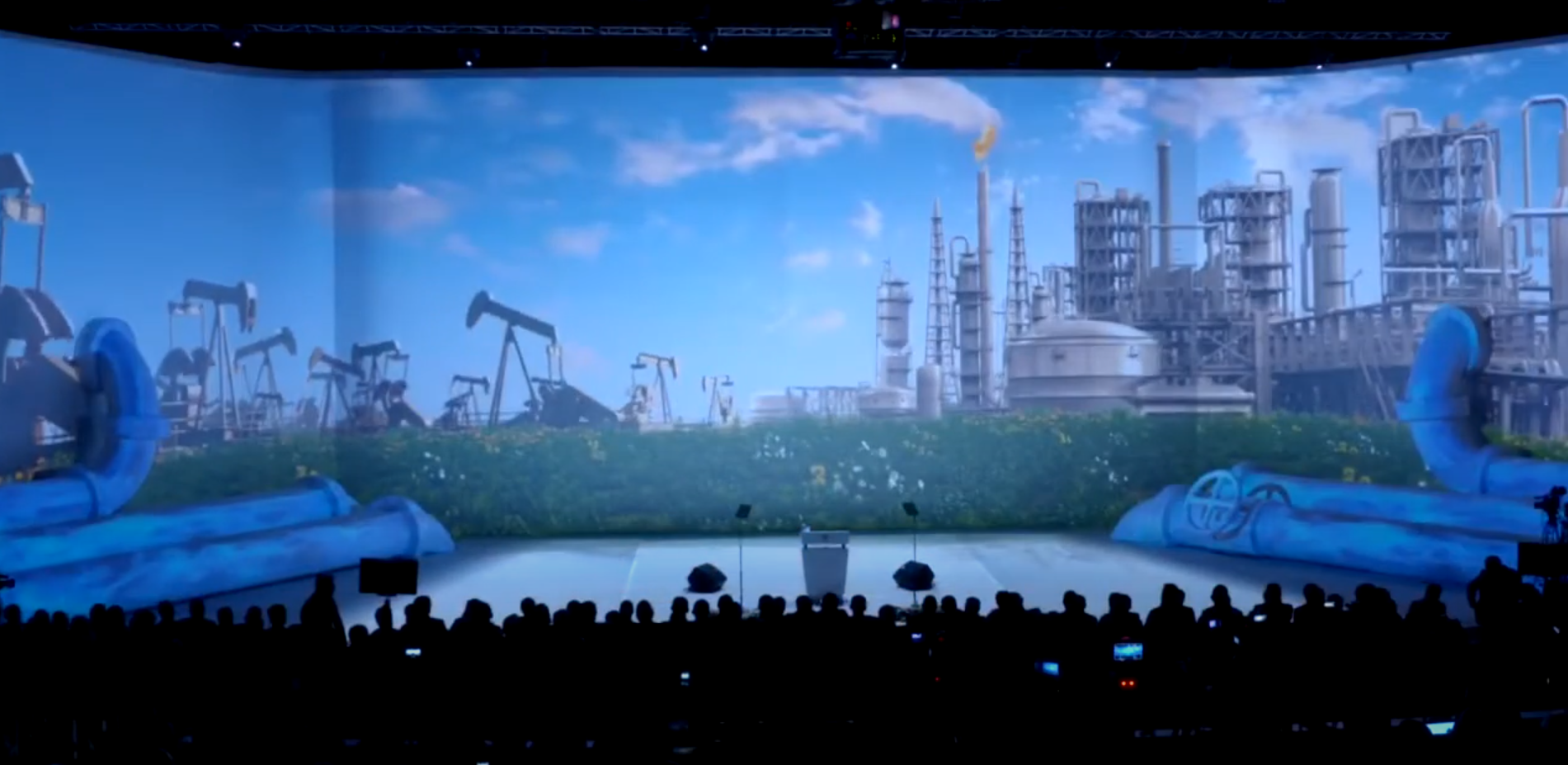
The installation centered around a massive stage environment, where high resolution visuals were projection mapped onto a large scale scenic structure. The stage became a dynamic canvas, illustrating energy generation, transmission networks, sustainability metrics, and technological transformation in real time.
At the core of the project was a custom content pipeline built around Unreal Engine. Dana Tech engineered high fidelity 3D simulations representing pipelines, power systems, and distribution networks. The visuals were constructed to maintain both scientific credibility and cinematic impact. Precision in scale, motion, and data representation was critical to ensure clarity without sacrificing visual drama.
Projection mapping required rigorous calibration and spatial alignment. The geometry of the stage structure was digitized and reconstructed within the content pipeline, allowing accurate UV mapping and perspective correction. Every frame had to align perfectly with physical surfaces under live event conditions. This demanded disciplined previsualization, iterative calibration, and robust on site testing.
To further elevate engagement, real time interactive elements were integrated into the system. Live inputs could trigger visual responses, reinforcing the dynamic and evolving nature of global energy systems. This added a responsive layer to the experience, transforming the installation from a passive display into an adaptive visual narrative.
Managing resolution, latency, synchronization, and playback stability across large format projection systems required careful systems engineering. The installation was designed to operate reliably under strict live event constraints, where timing and precision were non negotiable.
The result was a visually commanding centerpiece that translated abstract energy concepts into tangible motion and scale. The installation became one of the defining visual moments of the Congress, reinforcing the event’s central theme of energy transition and innovation.
The World Petroleum Congress project stands as an example of how immersive projection mapping, real time 3D systems, and large scale content engineering can converge to communicate complex global narratives with clarity and impact under Dana Tech’s technical leadership.
Hyundai GTL Dome Projection Groundbreaking Ceremony
Large Scale Desert Dome Architecture, Immersive Projection Systems, and Extreme Environment Technical Execution
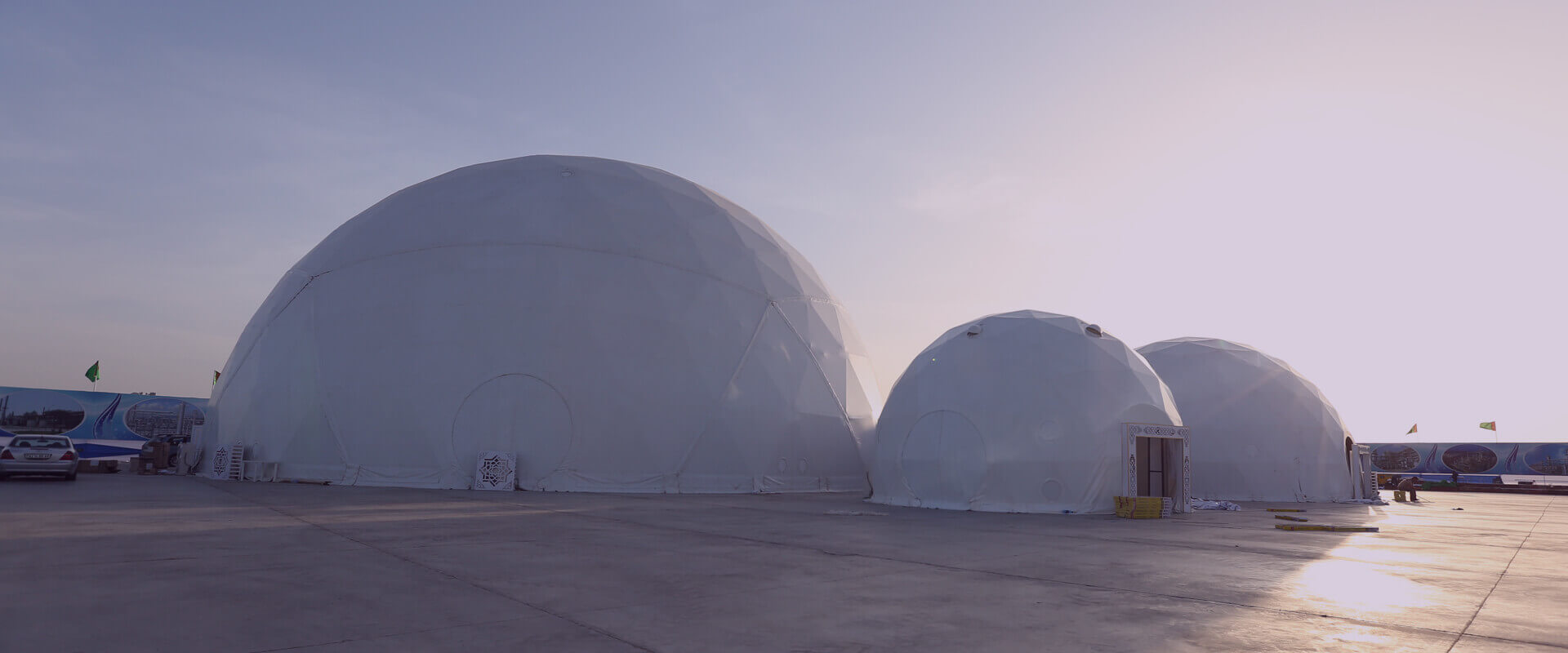
The Hyundai Engineering Gas to Liquid facility groundbreaking ceremony in Türkmenistan was conceived as more than a formal milestone. It was designed as a technological statement, staged in the desert 80 kilometers from Ashgabat under extreme environmental conditions.
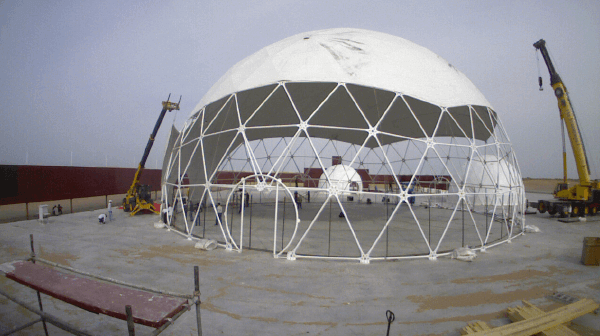
Dana Tech was responsible for the technical direction, projection engineering, and immersive content deployment for this high profile international event. The installation centered around three custom built domes constructed on a 5,000 square meter concrete platform in the middle of the desert. The primary dome spanned approximately 35 meters in diameter, forming a large scale curved projection surface rarely attempted in such remote conditions.
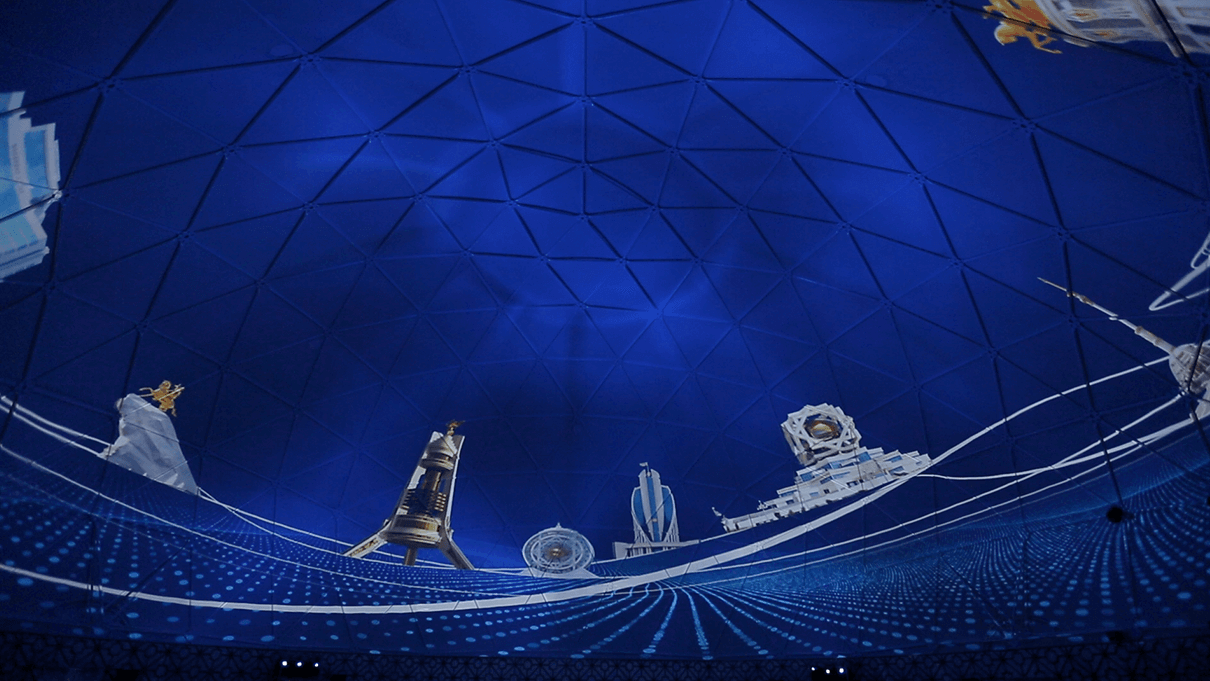
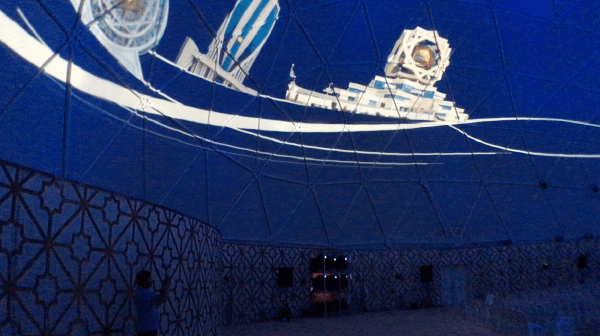
The ceremony’s visual centerpiece was a fully immersive dome projection system engineered to envelop the audience in Hyundai’s vision for industrial innovation. Content was distributed across 27 HD projectors delivering a combined 540,000 ANSI lumens, calibrated to ensure uniform brightness, color consistency, and seamless blending across the curved surface.
Curved dome projection introduced significant technical complexity. The geometry of the 36 meter surface required advanced projection mapping techniques, precise warping calibration, and edge blending optimization to eliminate distortion. Dana Tech developed a calibrated spatial mapping workflow that aligned digital content precisely to the physical dome geometry, ensuring immersive continuity from every viewing angle.
Environmental conditions added another layer of engineering challenge. Temperatures reached 50 degrees Celsius, accompanied by strong desert winds. Equipment stability, thermal management, and structural safety required careful planning and reinforced installation strategies. All projection systems and rigging had to perform reliably under sustained extreme heat without compromising visual integrity.
The project required coordination of an international workforce of 150 professionals spanning architecture, structural engineering, audiovisual systems, logistics, and on site operations. Construction of the domes, installation of projection systems, content testing, and full technical rehearsal had to be executed within strict timelines and under high security conditions due to the presence of multiple presidents and global dignitaries.
From architectural layout design to final projection calibration, the entire technical implementation was overseen by Dana Tech to ensure precision, resilience, and flawless execution. The result was a visually commanding immersive environment that transformed a remote desert location into a technologically advanced ceremonial space.
The Hyundai GTL groundbreaking ceremony stands as a benchmark example of large scale immersive projection engineering under extreme environmental conditions, demonstrating how architectural construction, projection technology, and disciplined systems integration can converge to deliver a high stakes international event under Dana Tech’s technical leadership.